
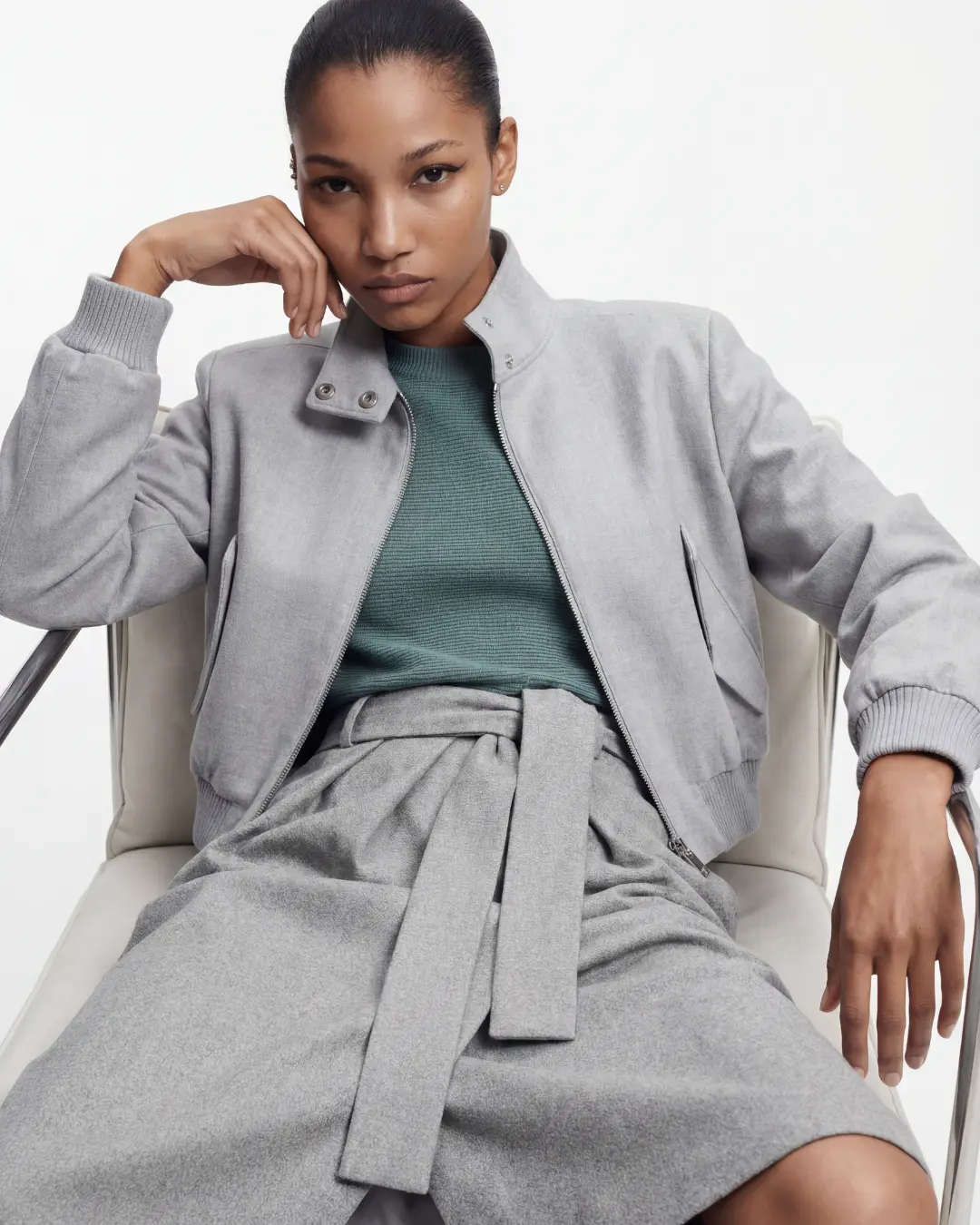
Most AI model agencies give you access to a shared roster. Pixofix is different: you get AI fashion models trained on your garments, your brand identity, and the full range of bodies and skin tones your customers actually see themselves in. Brand-locked, not shared.
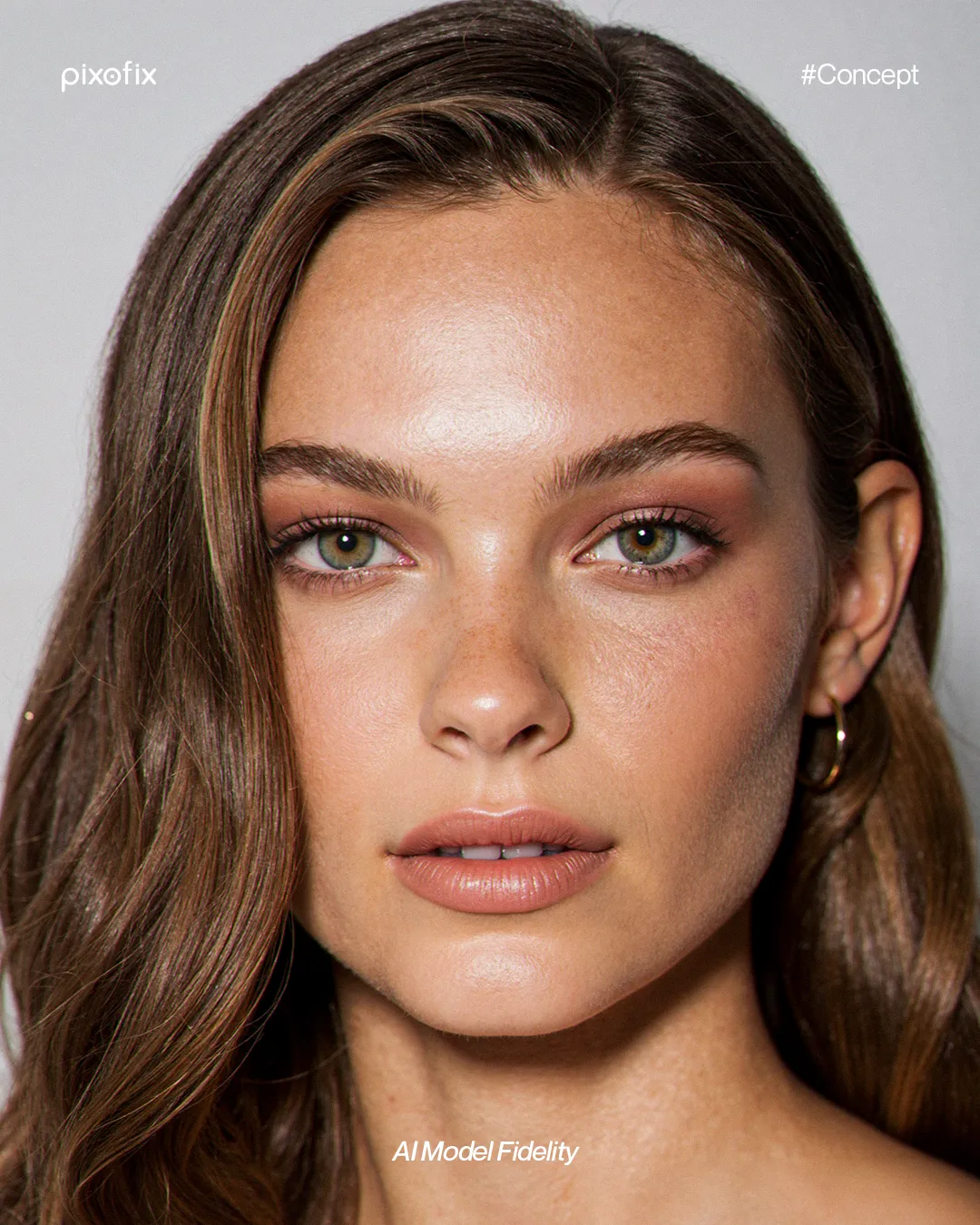




Every brand using the same AI model library ends up looking like every other brand. Same face. Same body type. Same aesthetic you didn't choose. And when a customer sees that model on three different sites in the same week, trust erodes fast.
Every model profile (body type, skin tone, casting direction) is locked exclusively to your brand after your first production. No other client uses your look. No cross-brand leakage. Ever.
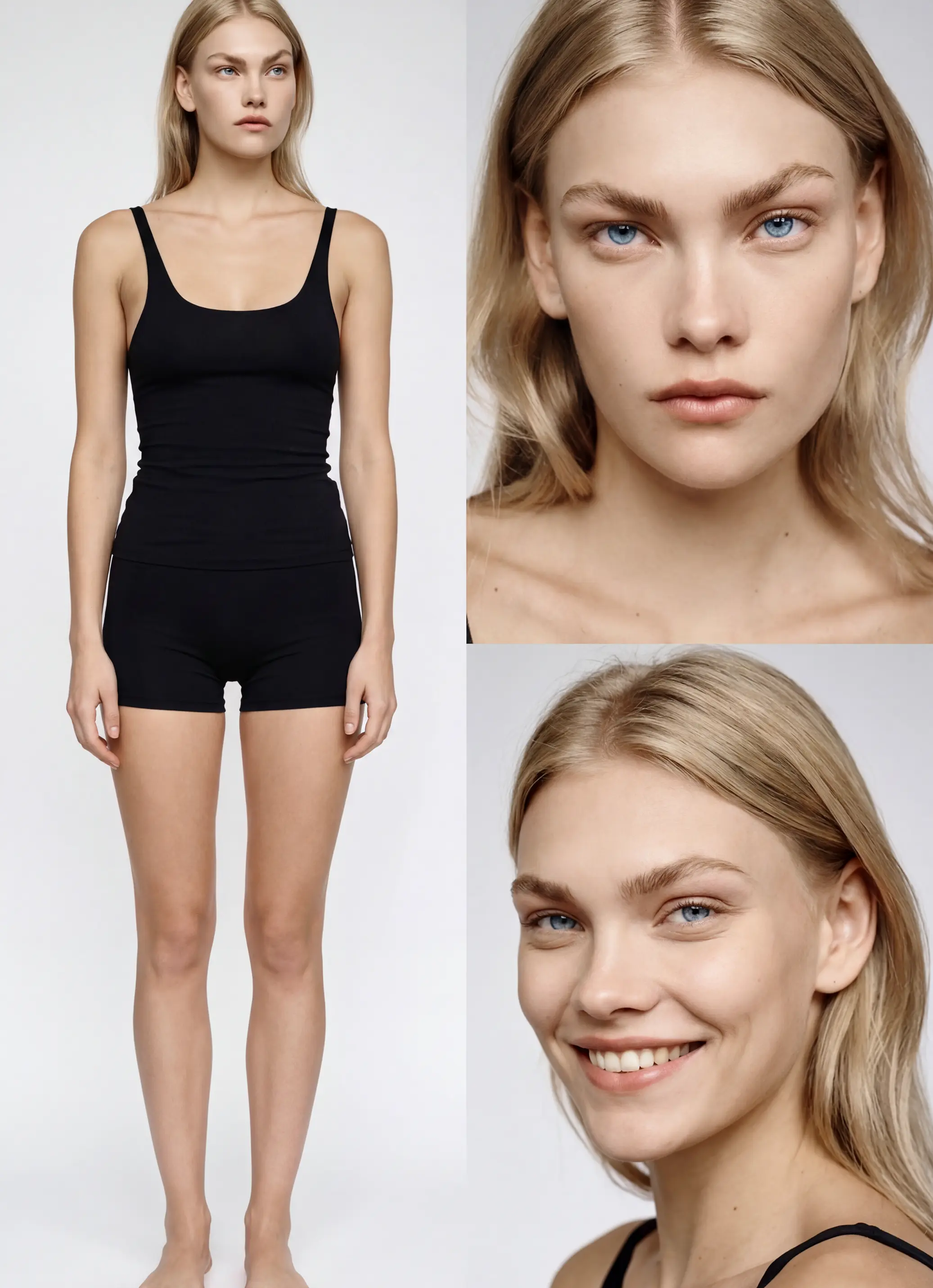
Customers convert when they see themselves. Shoppers are more likely to buy, and less likely to return, when the model on an image reflects their body type, skin tone, and style identity. You brief us on who your customer is. We build the model to match.
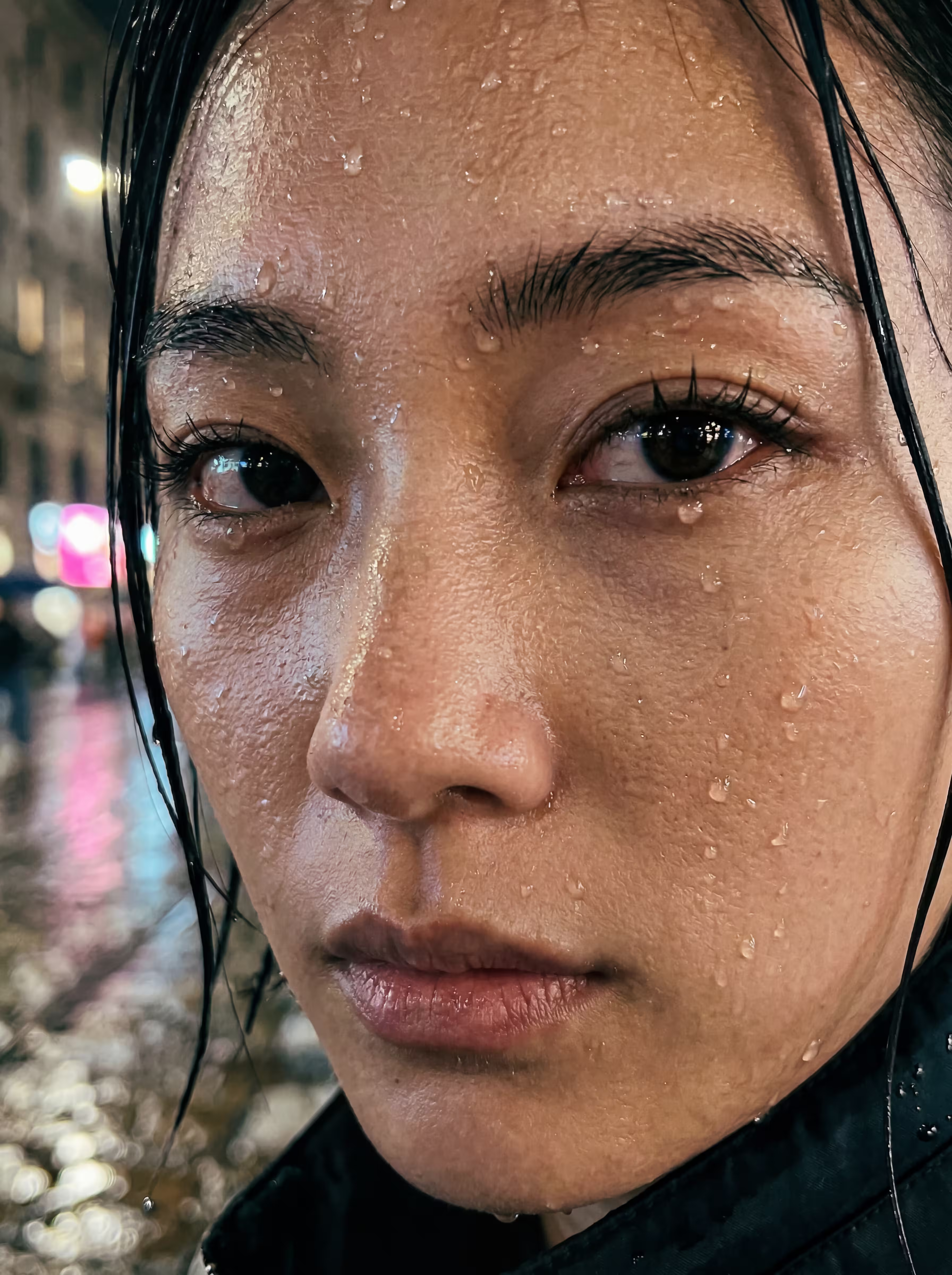

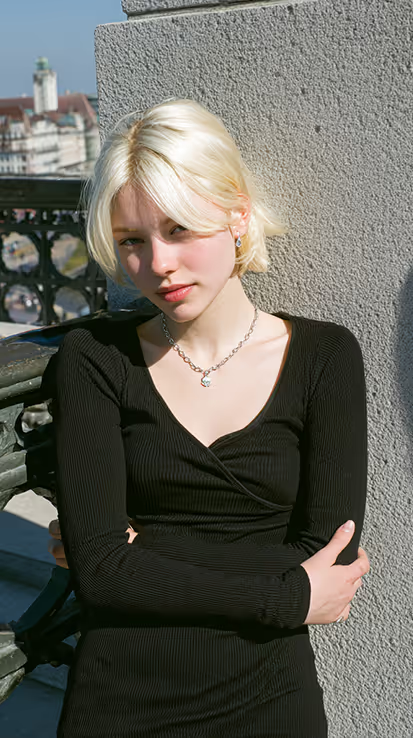
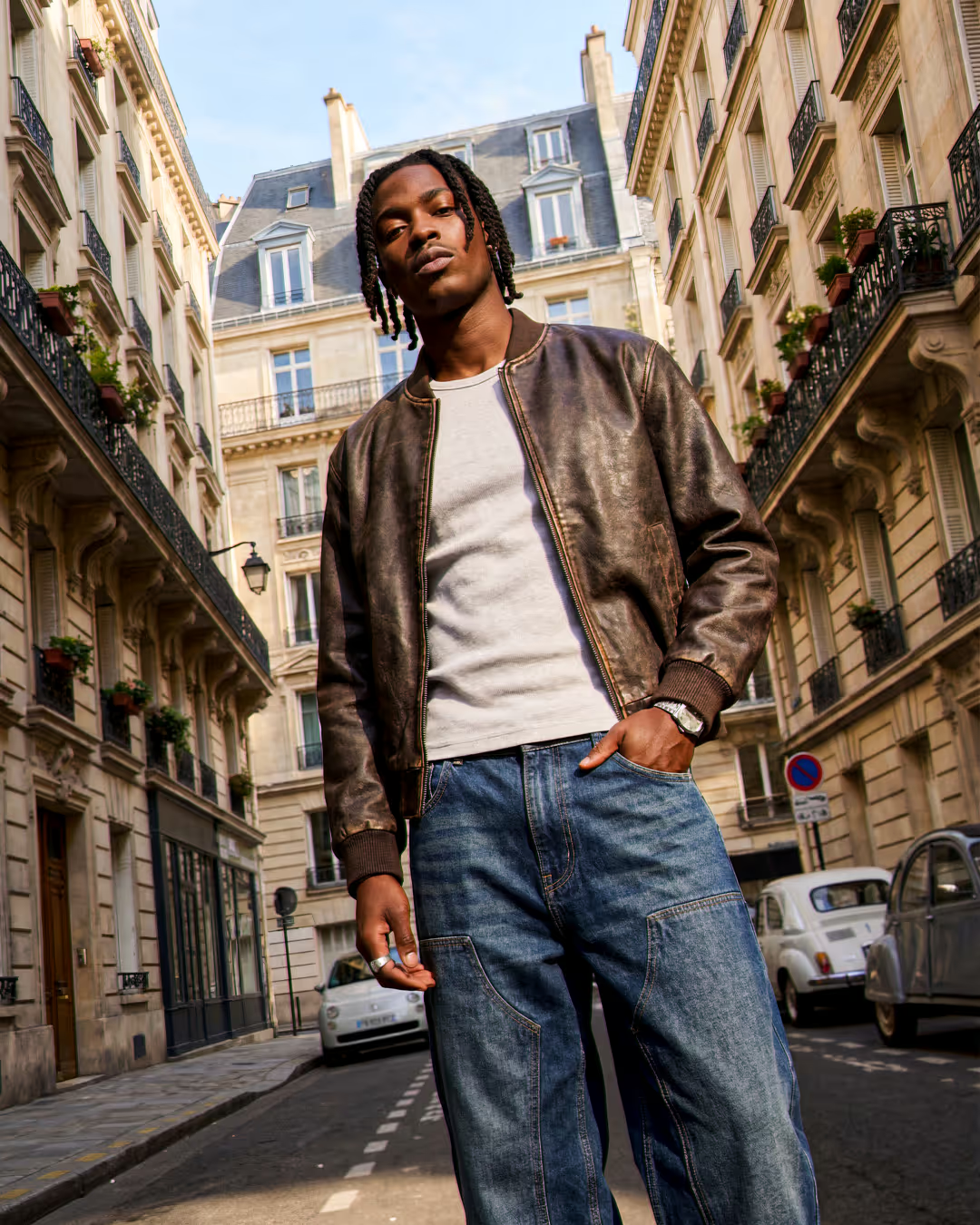
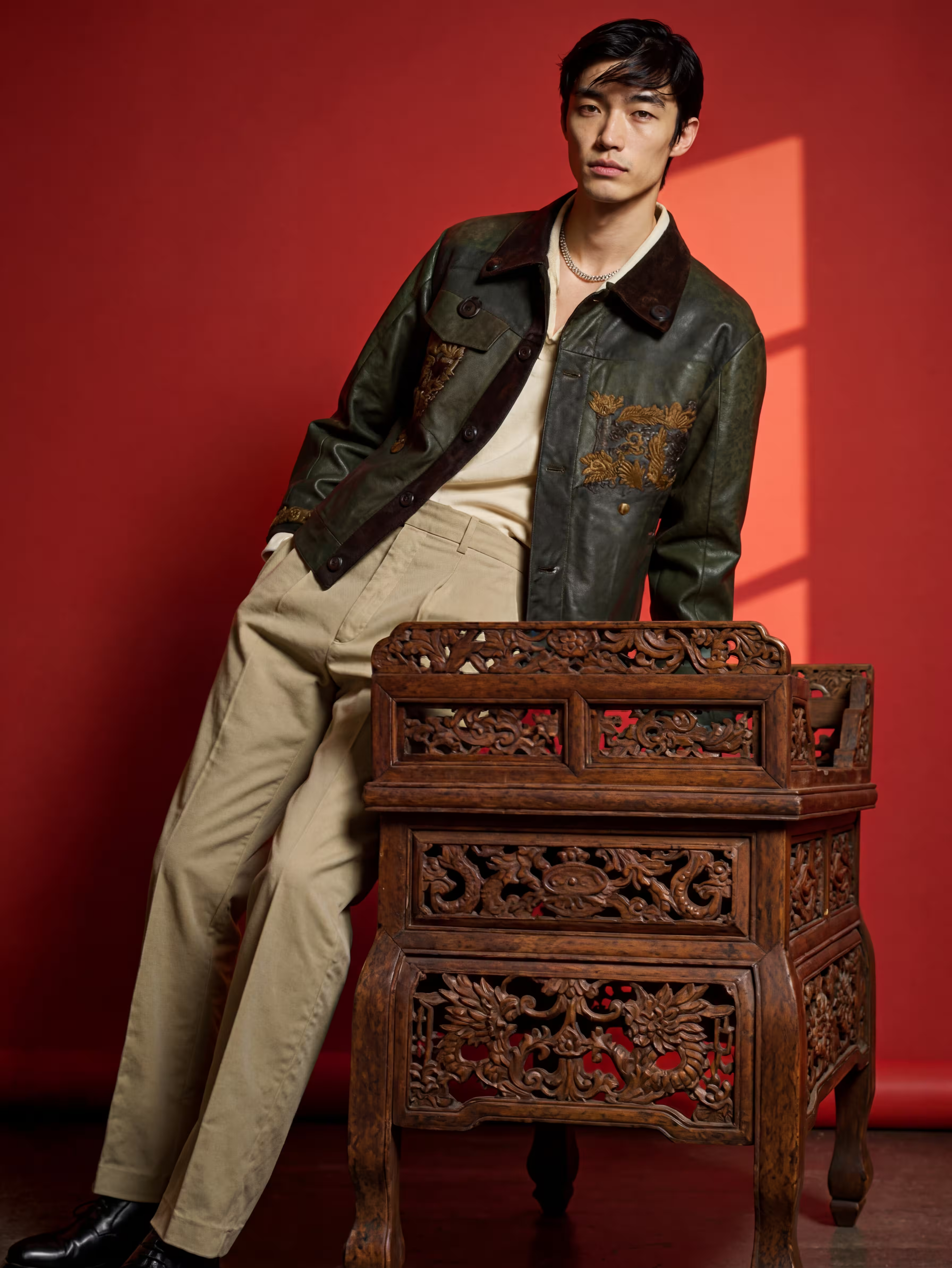
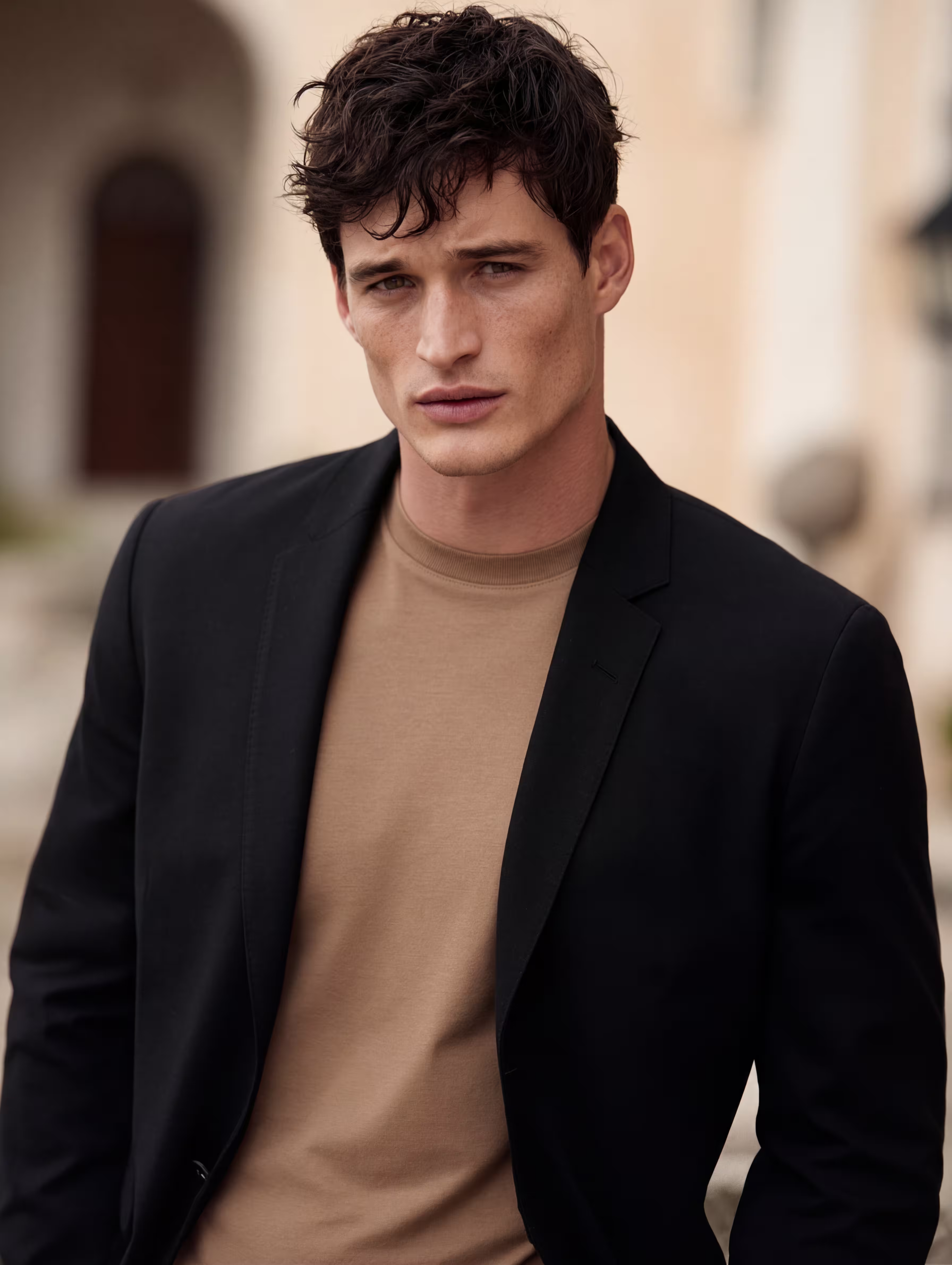
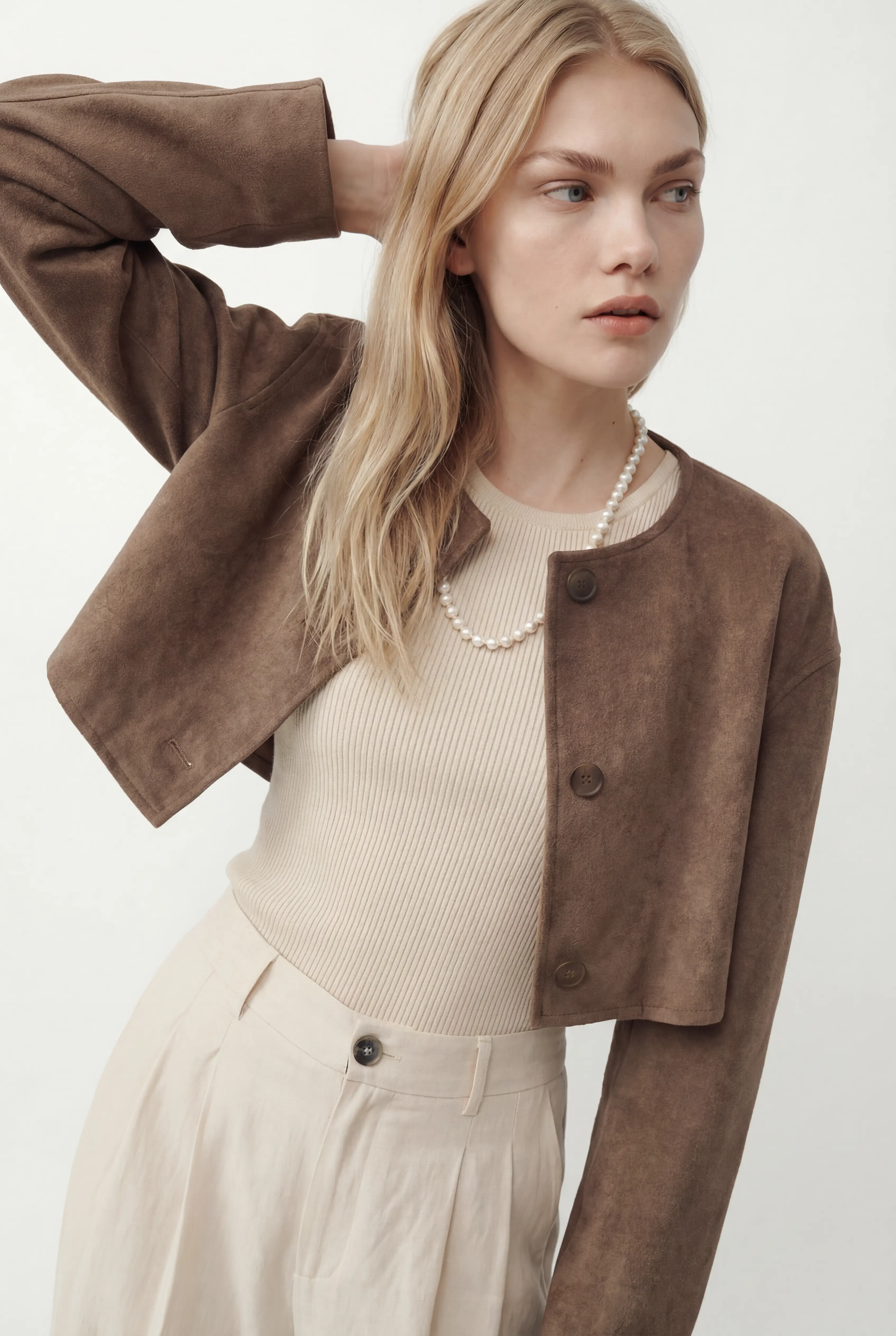
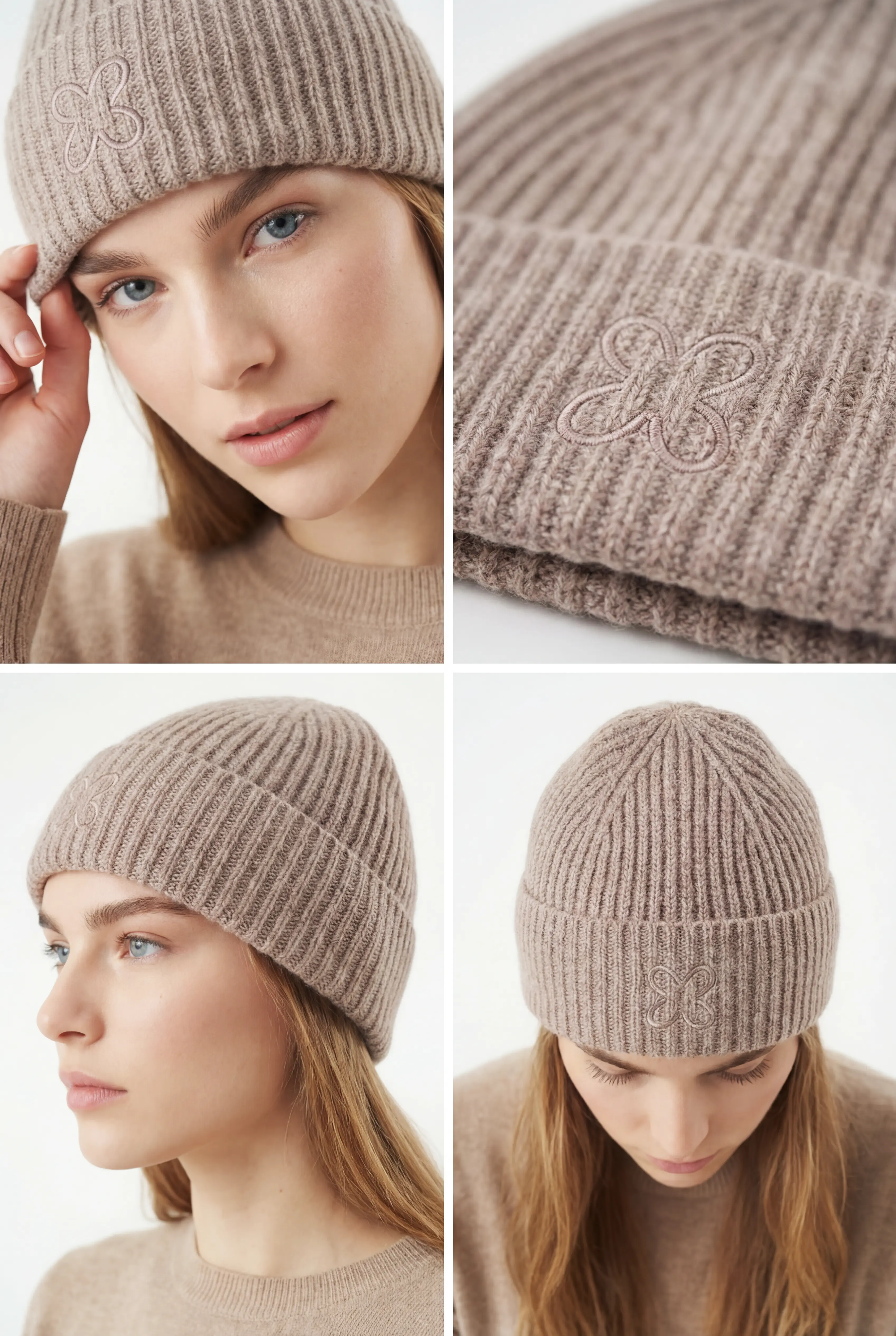
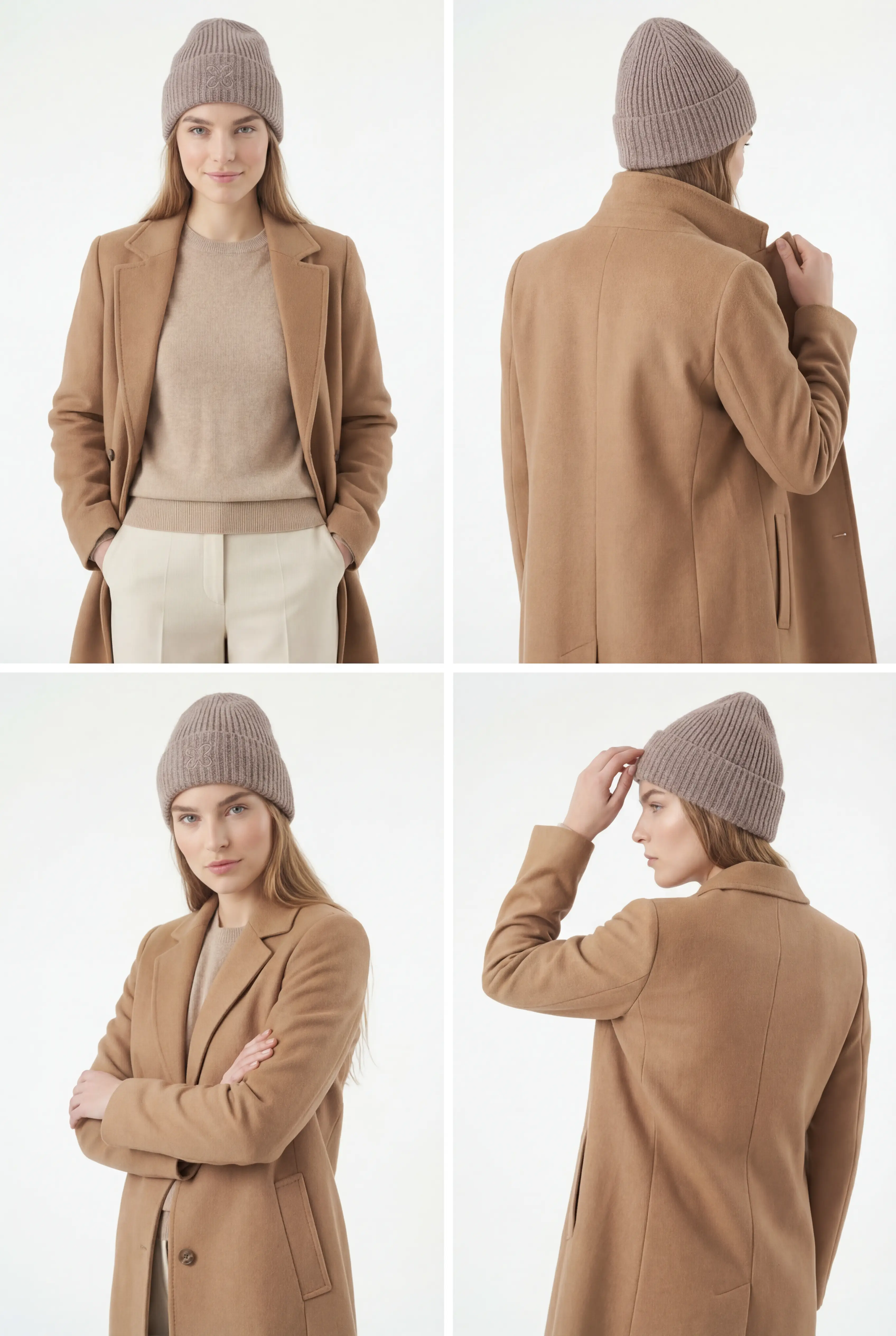
Keep your AI models consistent across every collection. We define each model’s look once, then reuse it across product pages, lookbooks and campaigns, so your brand shows the same face and styling season after season. Our creative team sets the direction, AI produces the images, and human specialists check every output before delivery.
From 10 to 10,000 SKUs, maintain consistent lighting, fit logic, and fabric realism across every product page.
AI model images have a reputation problem. Distorted hands. Unnatural fabric drape. Eyes that don't quite look right. Customers notice, and they don't convert.
Our model builds go through FIU (Fidelity Intelligence Unit) validation, a proprietary QA layer that checks fabric behavior, anatomical accuracy, sheen, color fidelity, and skin texture before any image reaches you.
AI model management for fashion brands. From brief to brand-locked model in weeks, not months.
We learn who your customer is. You share your brand guidelines, existing creative, and the model demographic you want to represent. We translate that into a model build spec.

We train your model system against your actual garments and brand aesthetic (body proportions, skin tone calibration, fabric interaction, and pose logic) aligned to your visual identity.

Your model is locked to your account. No other brand accesses it. Every future campaign starts from this model. Consistent output at any volume, any SKU count, any drop cadence.


Book a demo and we'll build a model prototype using your garments. You'll walk away with a visual sample, a demographic brief, and a clear picture of what production at scale looks like.
An AI models agency creates photorealistic virtual models to showcase a brand's products, instead of booking human models and shoots for every image. At Pixofix we build custom models trained on your own garments, brand identity, and customer body diversity, so the models represent your brand specifically rather than a generic stock face, and scale from 10 to 10,000 SKUs.
Shared AI libraries reuse the same faces across many brands, so your models can appear on a competitor's site. Our models are brand-locked, meaning they are exclusive to you after your first production and never shared, and because they are trained on your aesthetic they stay consistent across your entire catalog rather than looking like a different person on every product.
Yes. The models wear and display your real garments, and every image passes our Fidelity Intelligence Unit, a QA layer that checks fabric behavior, anatomical accuracy, sheen, color fidelity, and skin texture. Our ShootSync process keeps lighting and angles consistent across the set, so a full catalog looks like one coherent shoot rather than a mix of generated images.
Yes. We build an inclusive range covering varied body types, skin tones, and style identities, because showing customers a model who looks like them is a conversion driver, not just a representation choice. Since the models are trained on your brand, you can extend that diversity consistently across the catalog without booking a separate shoot for each variation.
It is how a brand keeps its AI models consistent over time: one defined look per model, reused across products, collections and channels, with human review so every image matches the brand and the real garment.
Yes, when they are directed and checked. Pixofix pairs AI generation with human art direction and QC, so garments keep their real fit, fabric and color on every product page.
Yes. Pixofix offers a custom sample edit using your actual images so your team can review quality, consistency, and editing style before committing. That helps align expectations early and shows how the workflow handles your brand standards and product details.


