.png)
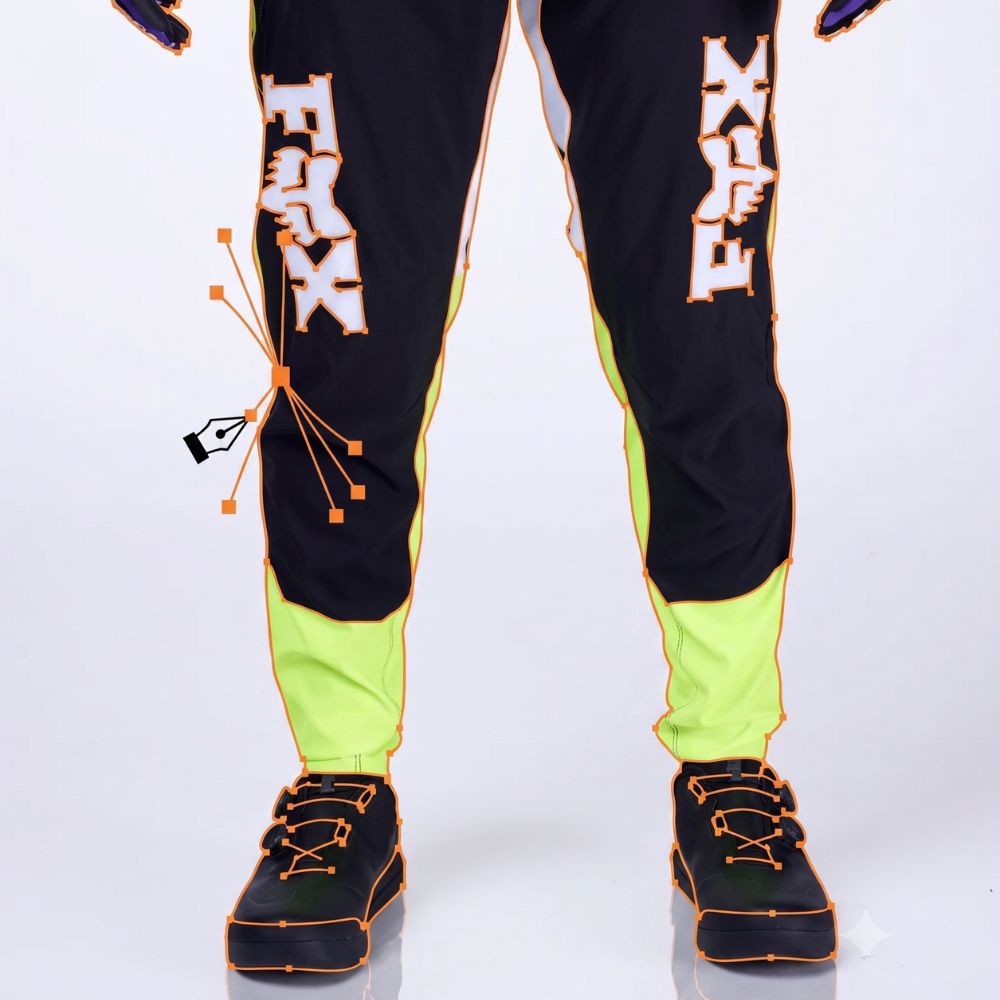
Hand-drawn cutouts with consistent edges and shadows, delivered in 24 to 48 hours no matter how many SKUs are in the batch.
get a free sample edit


.svg)
.svg)







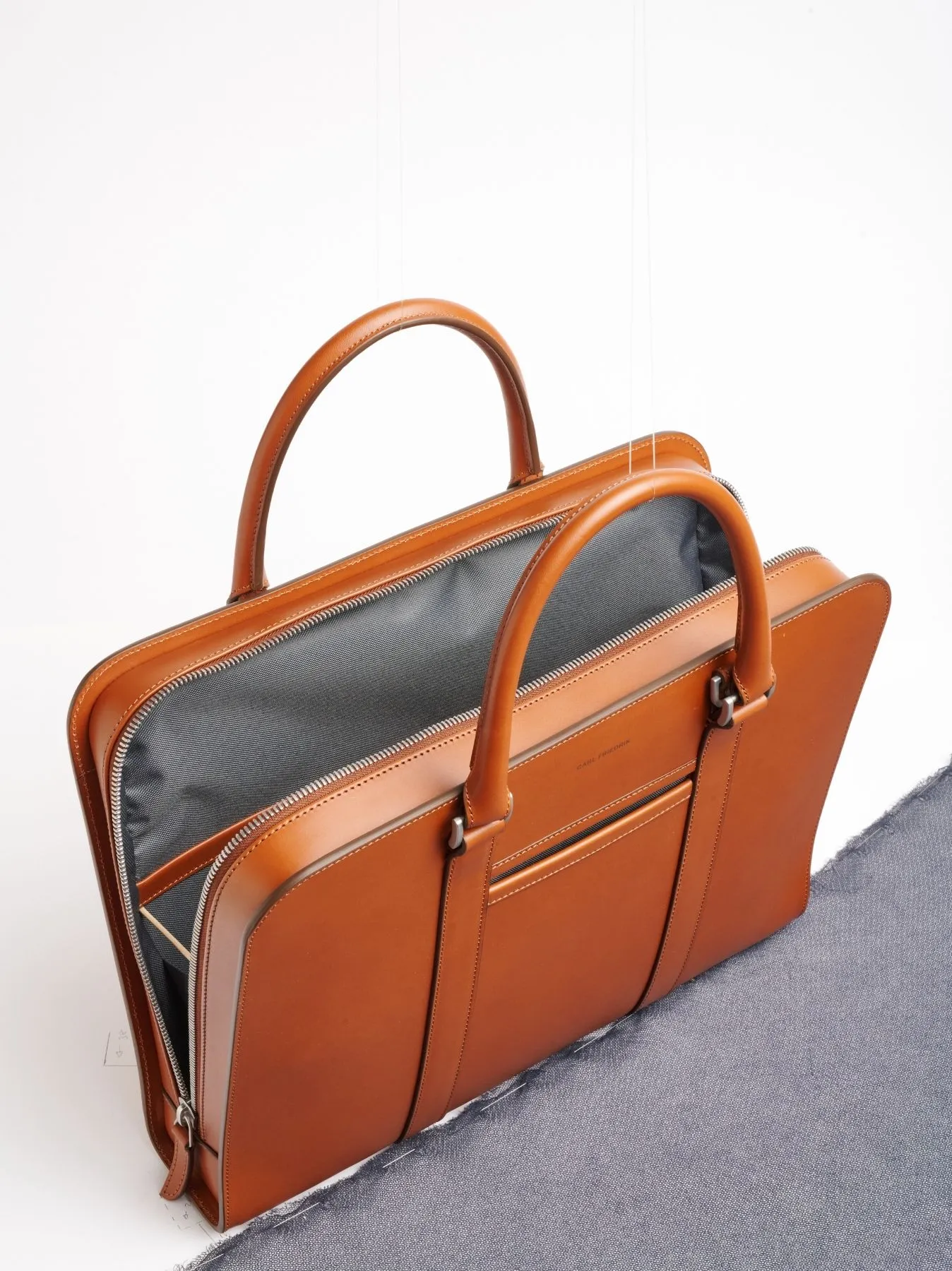
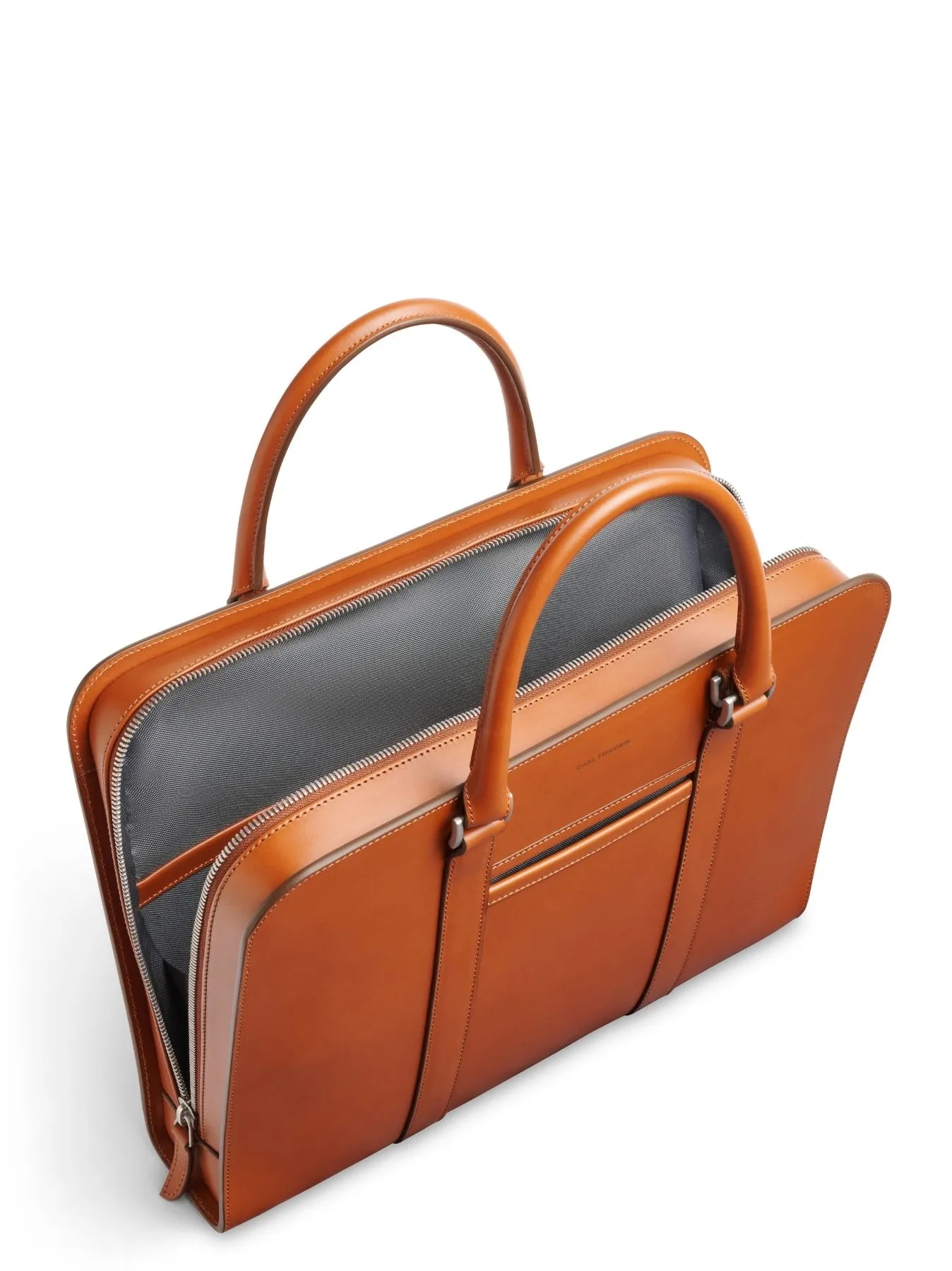
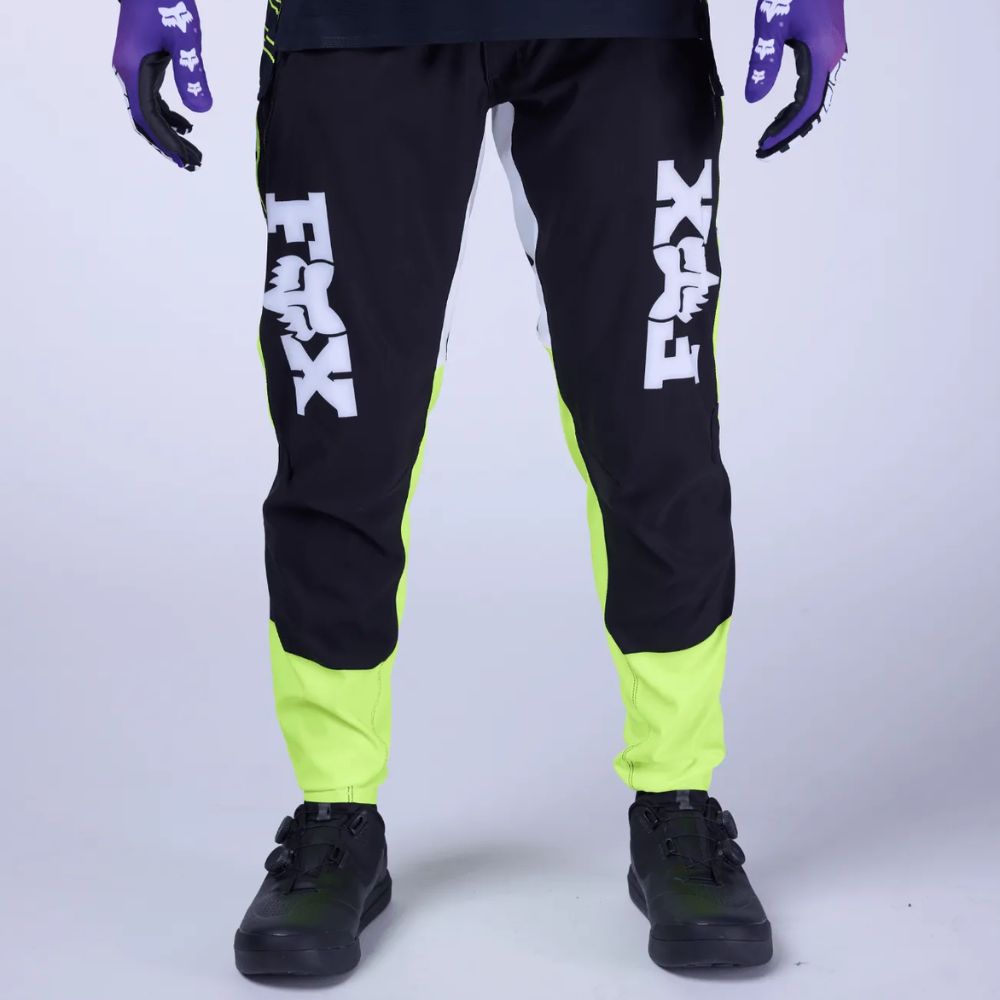
Footwear, fashion, and accessories brands operate on precision, consistency, and speed. Pixofix supports in-house creative and production teams with clipping path workflows built for large seasonal launches and ongoing catalog production, not one-off jobs.
Every file comes back layer-organized and production-ready, so your retouching, ecommerce, and marketing teams can move straight to publishing without a second pass on our work.
From campaign assets to full-catalog SKU rollouts, the same editor stays on your account, so batch three looks like batch one.


A post-production engine built specifically around your brand style, to ensure consistency across all seasons, catalogs and SKUs.
Send us a handful of reference images and your background, shadow, and sizing requirements. This is what every path gets checked against.
A small sample comes back for your review, edited exactly the way full production would run. If it's not right, we adjust before a single paid image is touched.
Once you sign off, your images move into standard production: same editor, same standards, 24 to 48 hour turnaround at whatever volume you send.
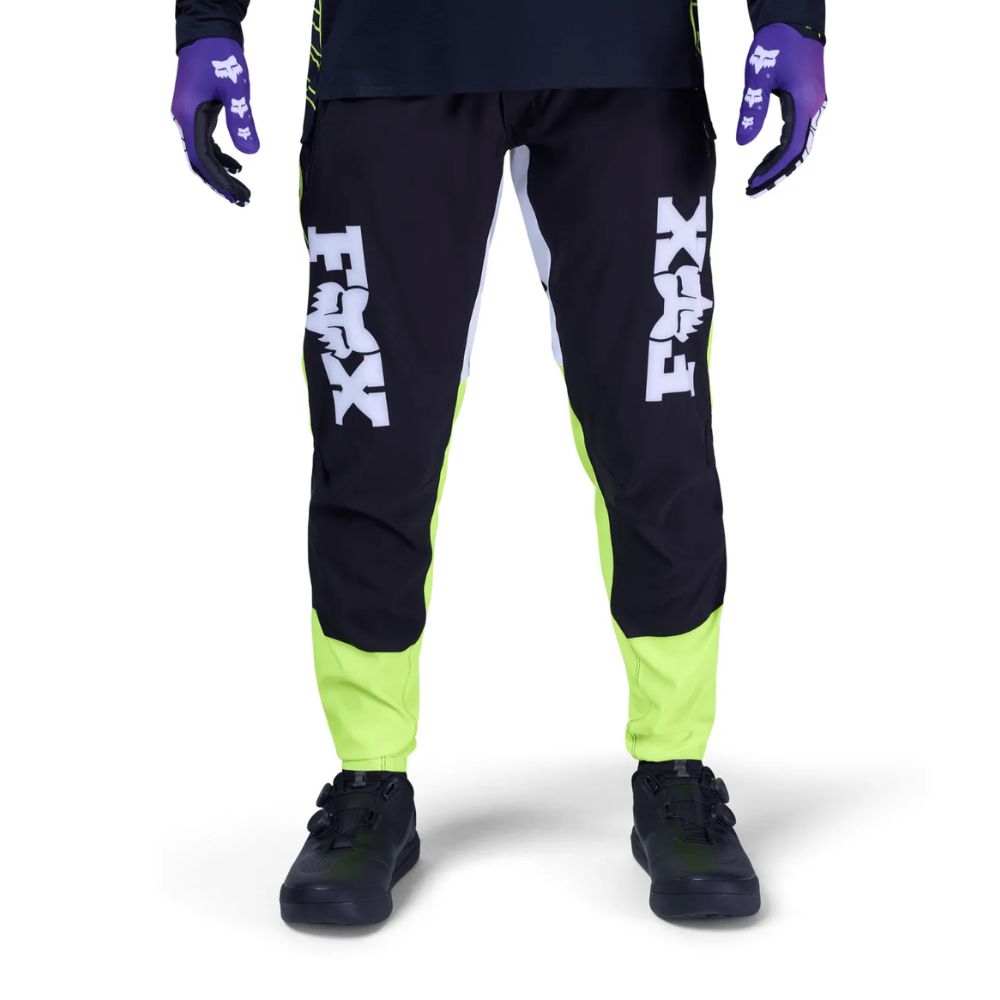

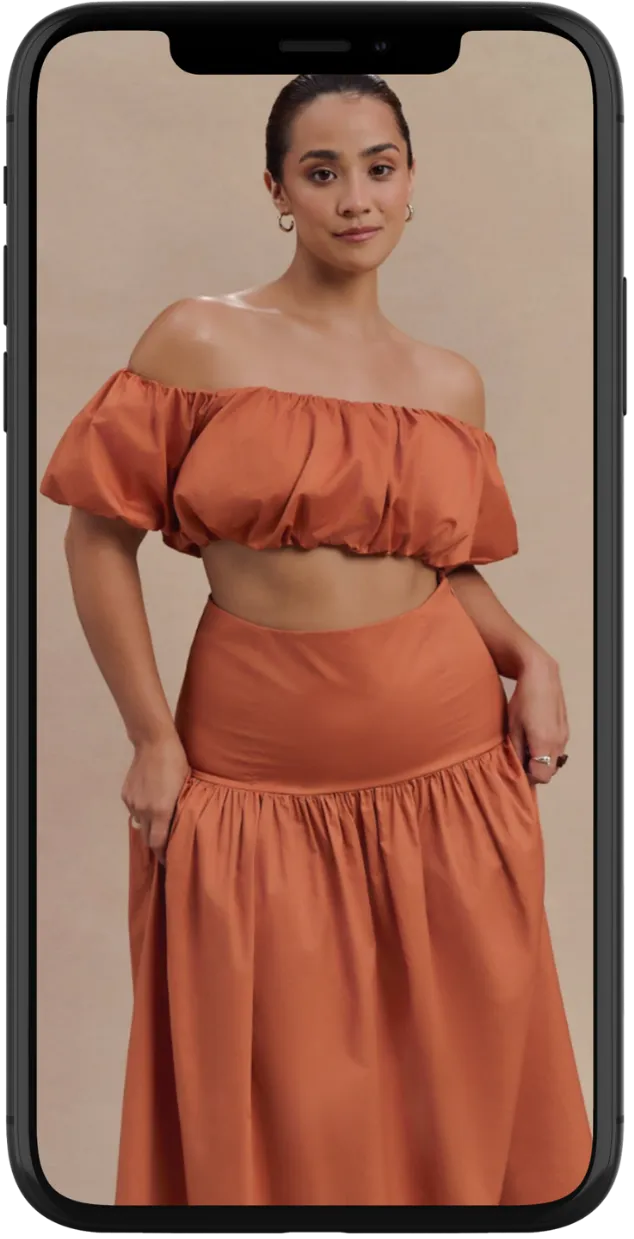
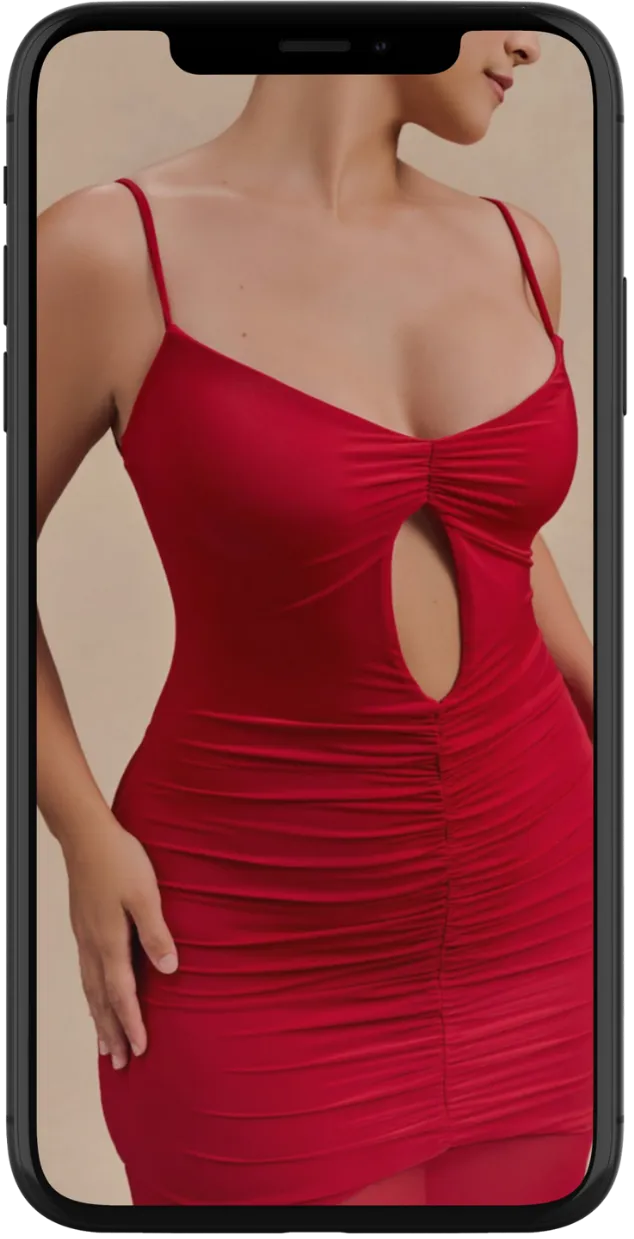
With Pixofix, your images come back consistent, on-brief, and ready to publish, in 24 to 48 hours. No micromanaging vendors, no revision loops, no missed launch dates.
Pixofix is the fastest production partner on the market. We learn your specific style and apply it to your entire catalog at scale. You get perfect consistency and the industry’s quickest turnaround times to keep your store moving.

.svg)
Send a handful of images and your spec sheet. We'll cut a free sample batch so you can see edge quality and shadow handling before committing to anything.
A clipping path is a hand-drawn outline around a product that separates it cleanly from its background, so the item can sit on white, a custom color, or a transparent background with sharp, accurate edges. At Pixofix we draw and check every path by hand, which holds up on curves, hard edges, and inner cutouts far better than an automated trace, across catalogs of any size.
A clipping path is best for products with clean, defined edges, while image masking is used for soft or fine detail like hair, fur, and sheer fabric where a hard outline would look unnatural. We use whichever fits the product, and often both on the same image, so a garment with both a solid silhouette and fine detail comes out clean everywhere.
Automated cutouts are fast but drift in quality, leaving rough edges, lost inner cutouts, and results that vary from image to image across a catalog. A hand-drawn path stays precise and consistent on every SKU, which is why we still cut by hand and put human QA on every image, so a 3,000-piece catalog looks like one coherent set rather than a mix of clean and rough cutouts.
Yes. Pixofix is built for brands managing volume at scale, with capacity for 5,000+ images a day, a 24 to 48 hour turnaround no matter how many SKUs are in the batch, and the same editor kept on your account for consistency. You can test it before committing, since we retouch up to 50 images for free so you can see the edge quality on your own products first.
Yes. We draw inner cutouts such as buckle holes, strap gaps, and chain links, not just the outer silhouette, and each path is checked twice before delivery. We also handle shadows in the same pass, either preserving the original shadow or creating a new one, so complex products still drop cleanly onto white or a custom background.
Yes. Pixofix offers a custom sample edit using your actual images so your team can review quality, consistency, and editing style before committing. That helps align expectations early and shows how the workflow handles your brand standards and product details.
.png)
.png)
