
We build a photorealistic, accurate 3D model of your product, then produce PDPs, lifestyle images, 360 spins, and video from it. Every stitch, logo, and material detail stays exactly right, in every image, forever.

We build a photorealistic, accurate 3D model of your product, then produce PDPs, lifestyle images, 360 spins, and video from it. Every stitch, logo, and material detail stays exactly right, in every image, forever.





Built for eyewear, footwear, skincare, bags & accessories, electronics, and complex fashion pieces.
Tap a category to see why 3D-first production matters there, and what it looks like.
Housing seams, buttons and ports, hinge mechanisms, and matte-versus-glossy finish are the details that make or break realism for electronics. See the scorecard above for the real build-time and weight-reduction numbers behind this.
Stitching lines, sole texture, logo placement, and material mix (leather grain vs. mesh vs. suede) are what a footwear buyer zooms in on first. A 3D model captures the construction once, accurately, so it holds across every colorway and every drop.
Frame geometry, lens tint and curvature, and hinge mechanisms are exactly the kind of detail AI-only generation tends to soften or approximate. A 3D-first model locks the frame's true proportions once, so every colorway and every angle stays correct.
Hardware (buckles, zippers, clasps), stitching, leather grain, and structural silhouette are hard for AI alone to keep consistent piece to piece. A 3D model gets the structure right once and holds it across every bag in a collection.
Bottle and packaging accuracy, label legibility, and cap or applicator detail matter more than most categories realize. 3D-first keeps packaging exact across your whole line.
Once your product exists in 3D, producing a new format is fast, and every output stays true to the same accurate model.
Clean, marketplace-ready product shots in every angle and configuration your listings need.


Full product rotations for PDPs and interactive listings, generated directly from your model.
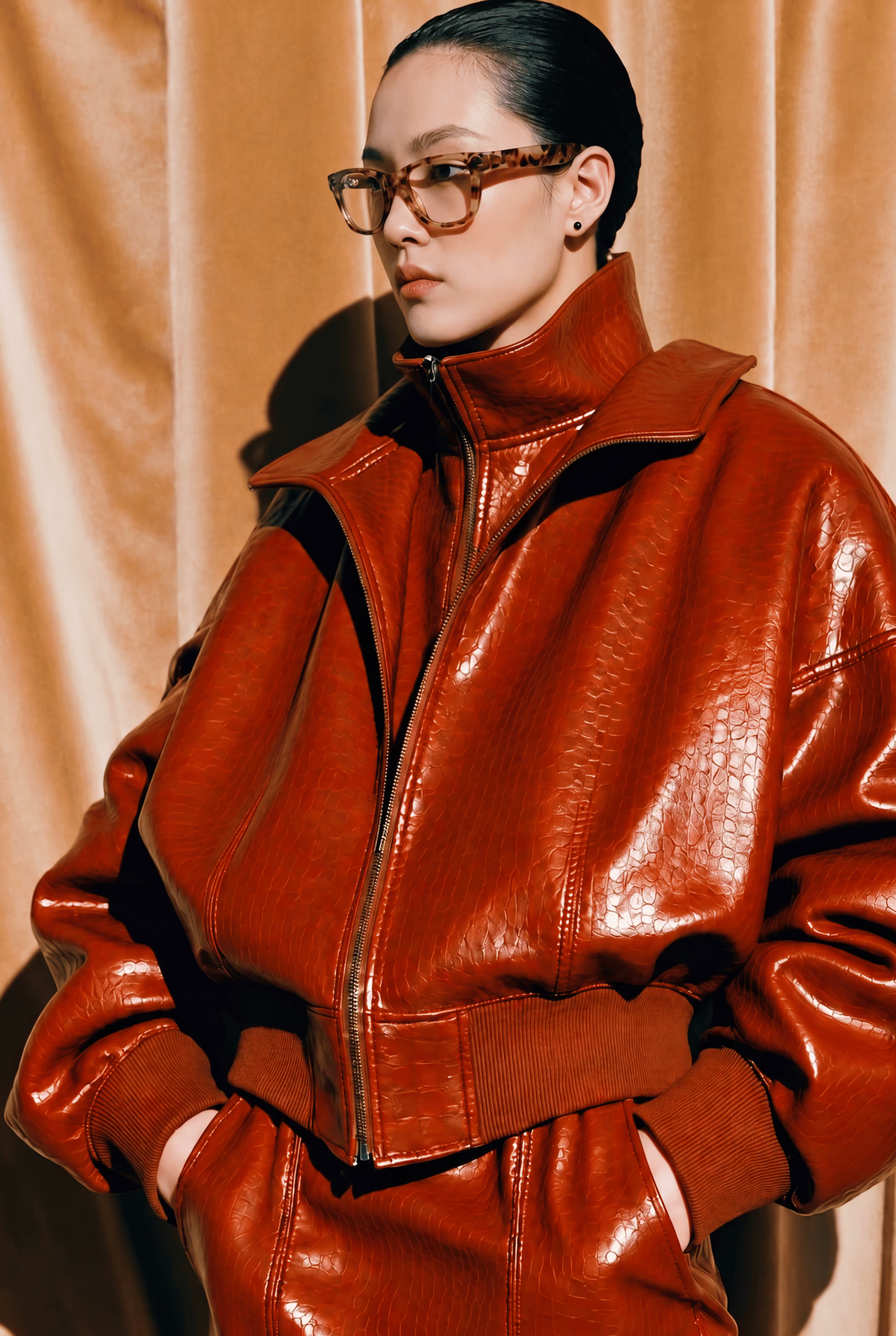
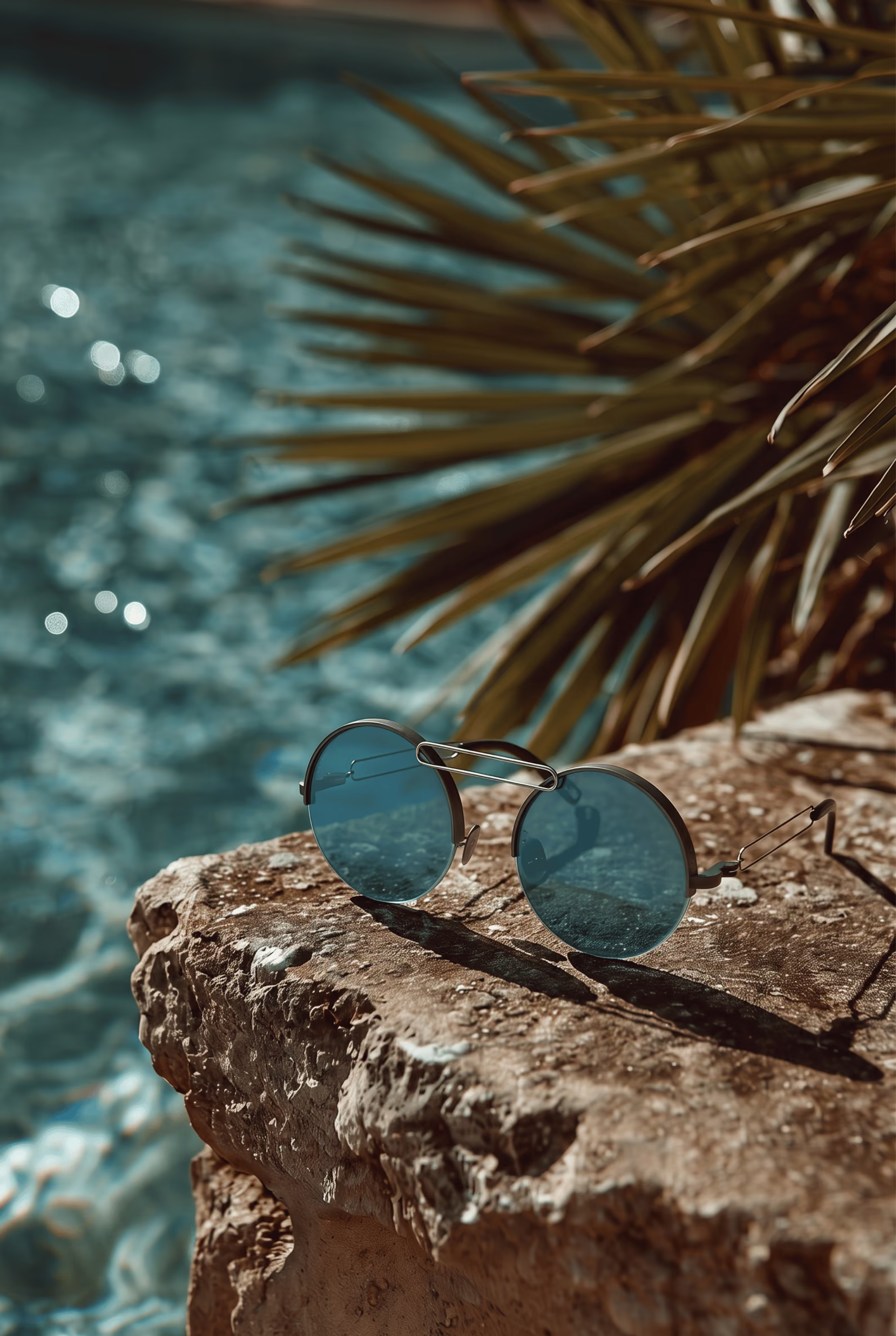
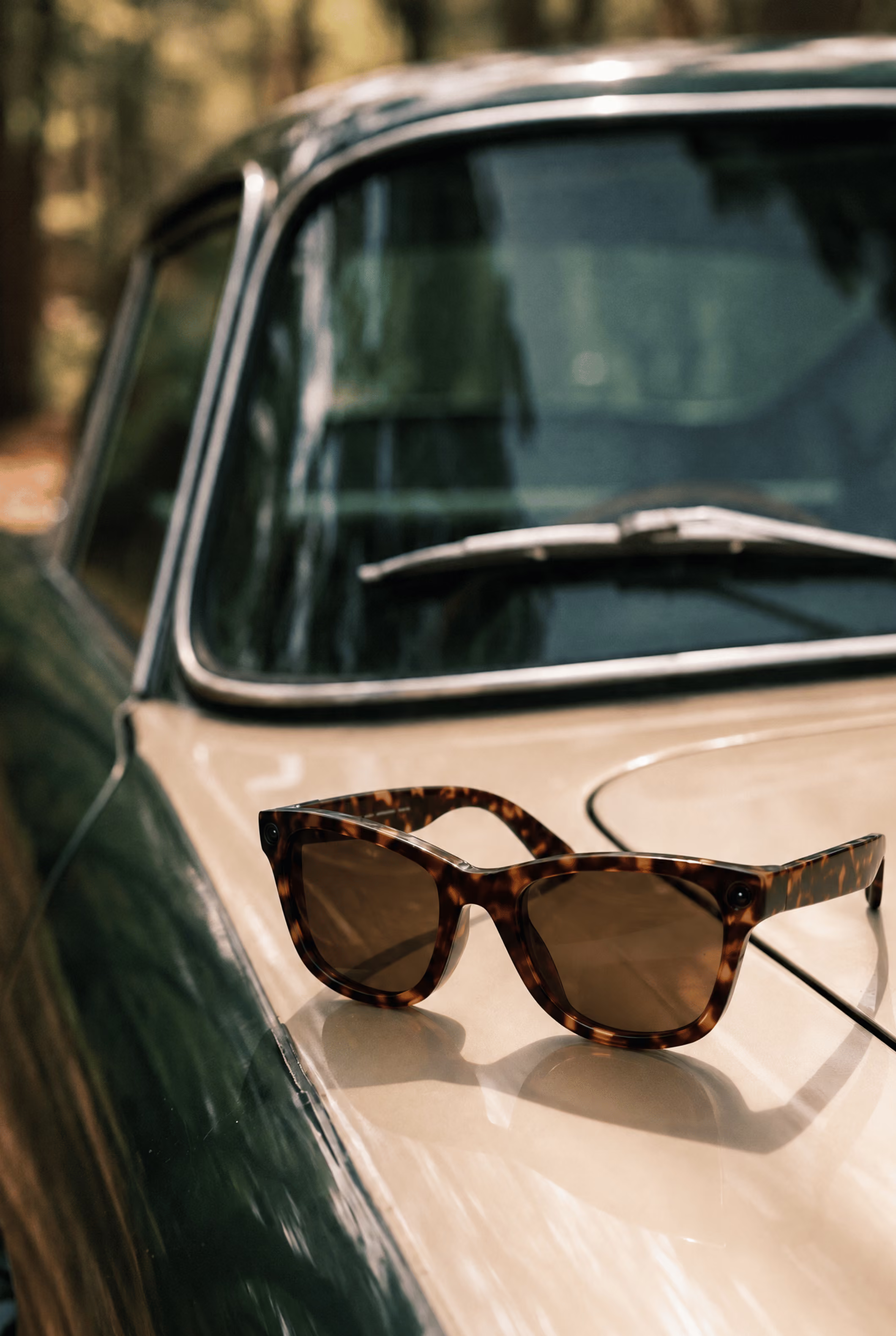
Your product placed in real-world scenes and campaigns, produced by our 3D and AI teams working together.

Product and campaign video generated from the same model, for PDPs, paid social, and organic.
You stay in control of the creative direction. We handle the production engine and scale.
A finished product? Send photos. Still in development? Send a sketch and specs. Either way, we can build from it.
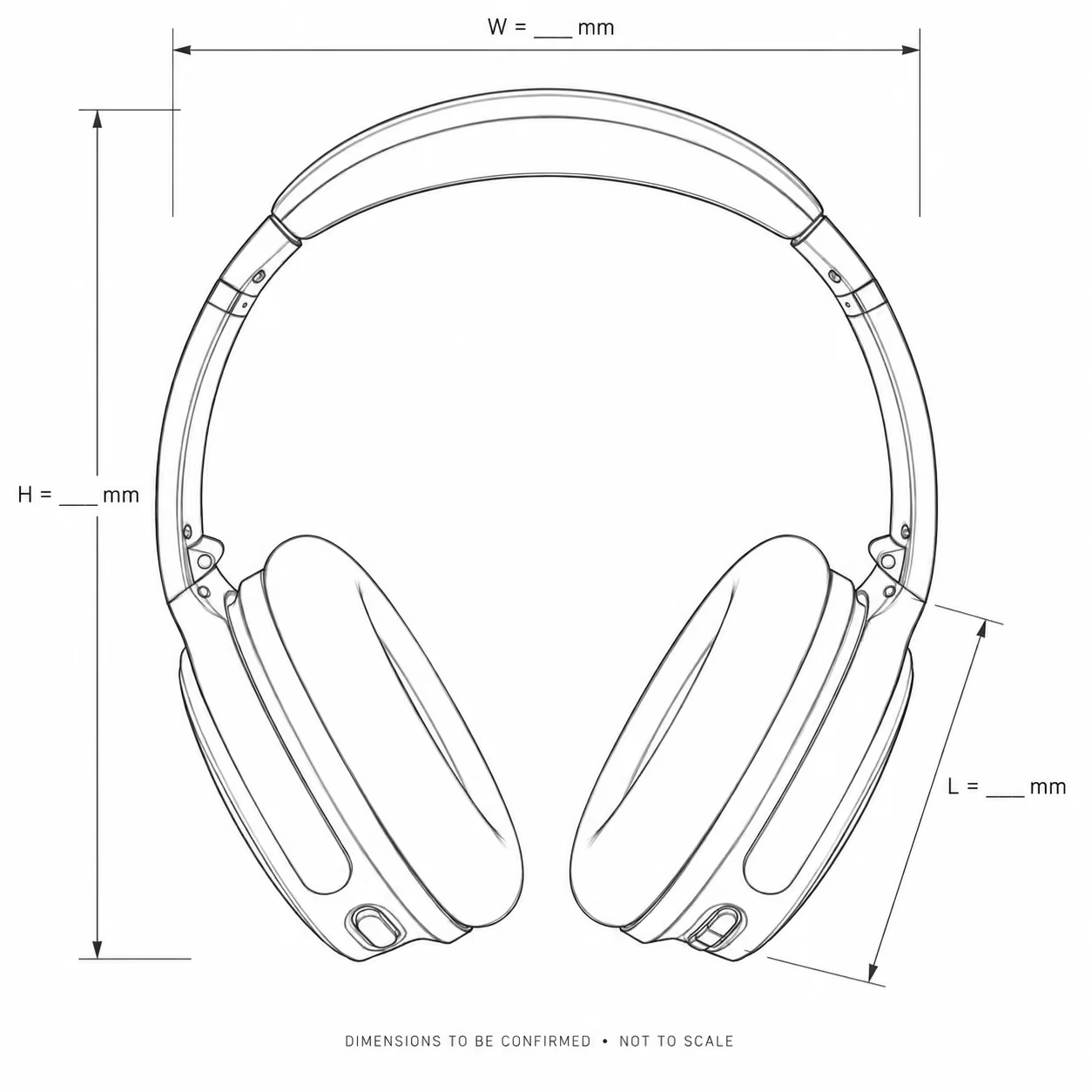
Our team builds an accurate, production-ready 3D model of your product, correct stitching, correct logos, correct materials.
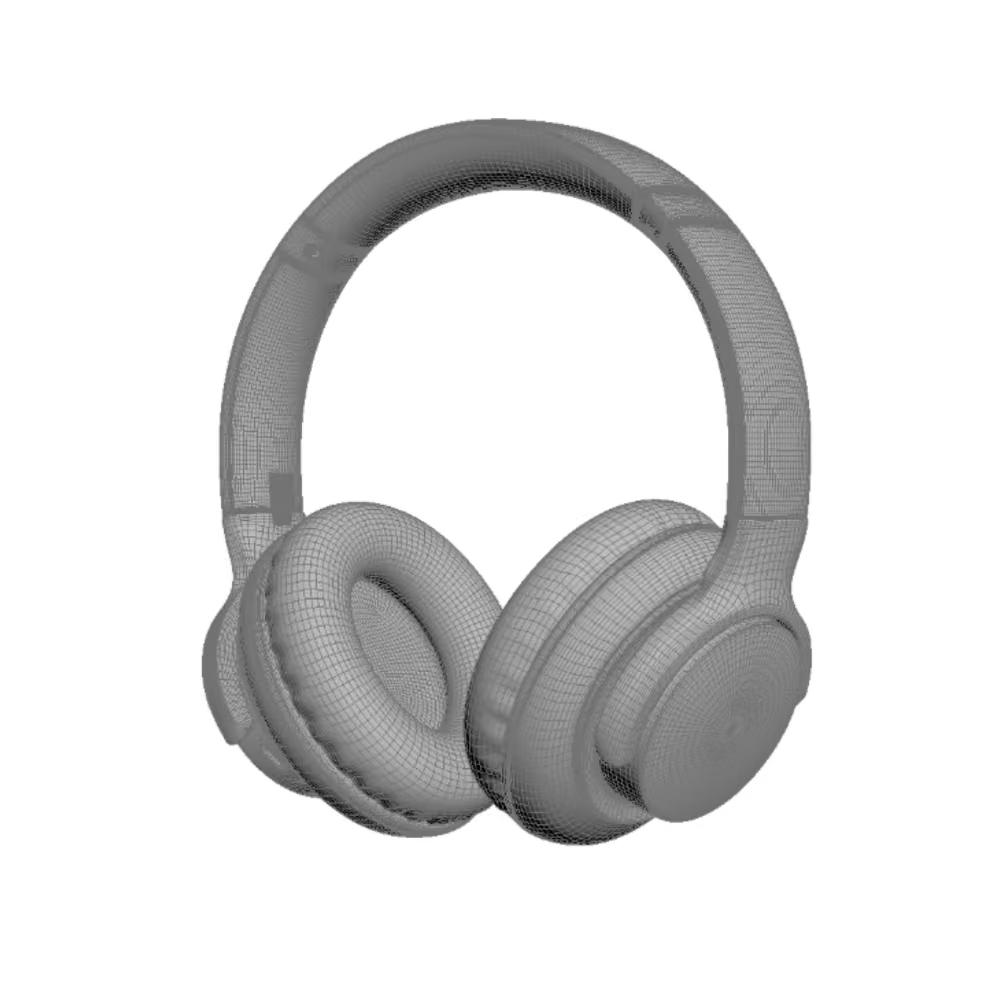
That single 3D model becomes the source for everything downstream: PDPs, lifestyle images, 360 spins, and video.
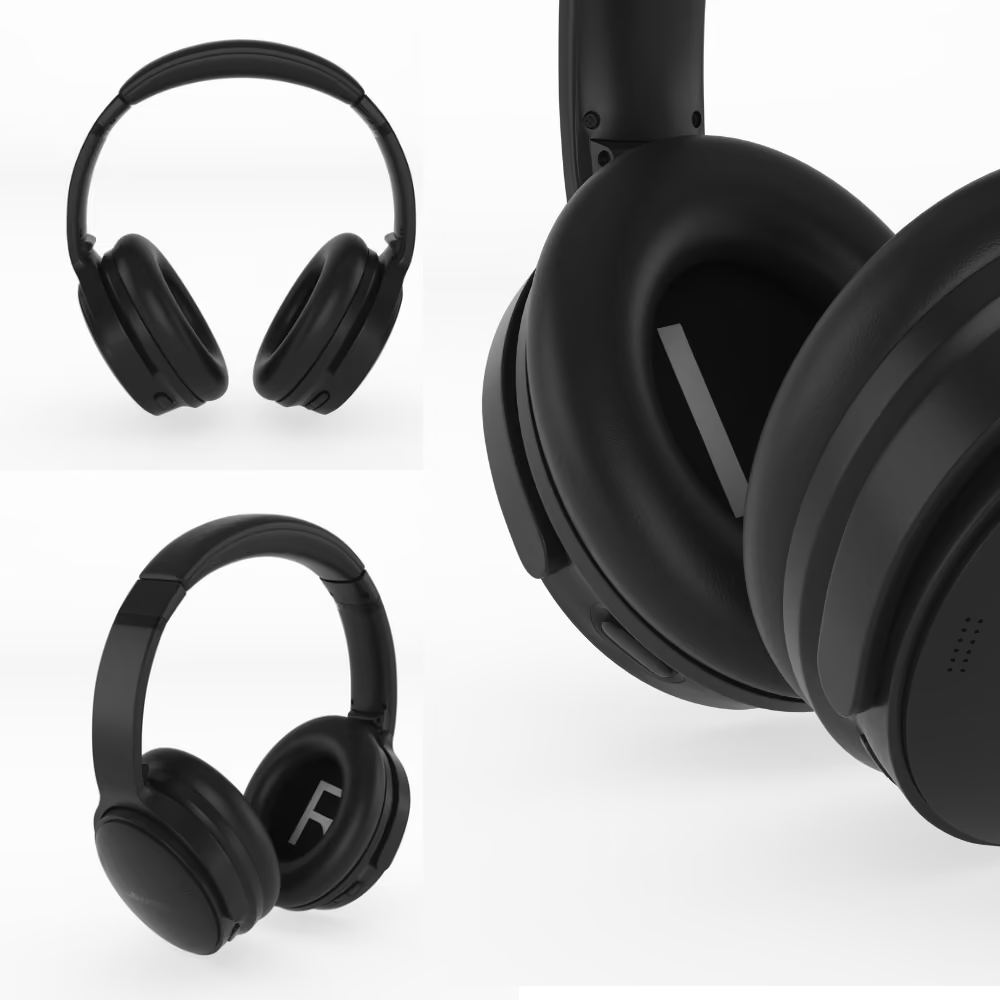
The final output is exactly the format you need, PDP-ready stills, a 360 spin, a lifestyle campaign, or video.


Creative Director


Start with a pilot project on one product. See the model, see what it produces, then decide how far to take it. No catalog-wide commitment to start. One product is enough to see the quality.
Not for 3D-first production. Building a model is a real production cost even for a single piece, so instead of a free sample, we offer pilot projects, a small, paid first engagement so you can evaluate quality and fit before committing to a full catalog.
Either photos of your finished product, or a sketch and specs if it isn't in production yet. Both are enough for our 3D team to start.
Both, depending on what gets you an accurate model fastest without compromising quality. AI generates the initial form, our team refines and rebuilds it into clean, production-ready geometry, checked and finished by hand before it becomes your production baseline.
Generally no, apparel is usually better served by our AI-only production. The exception is structurally complex pieces, like intricate runway garments, where the same logic that applies to footwear or bags applies.
Your 3D model can feed directly into our AI production, so AI-generated lifestyle scenes and on-model shots stay accurate to your real product. Or you can use it on its own for PDPs, spins, and renders. Both are common.


