What Is a Ghost Mannequin Service?
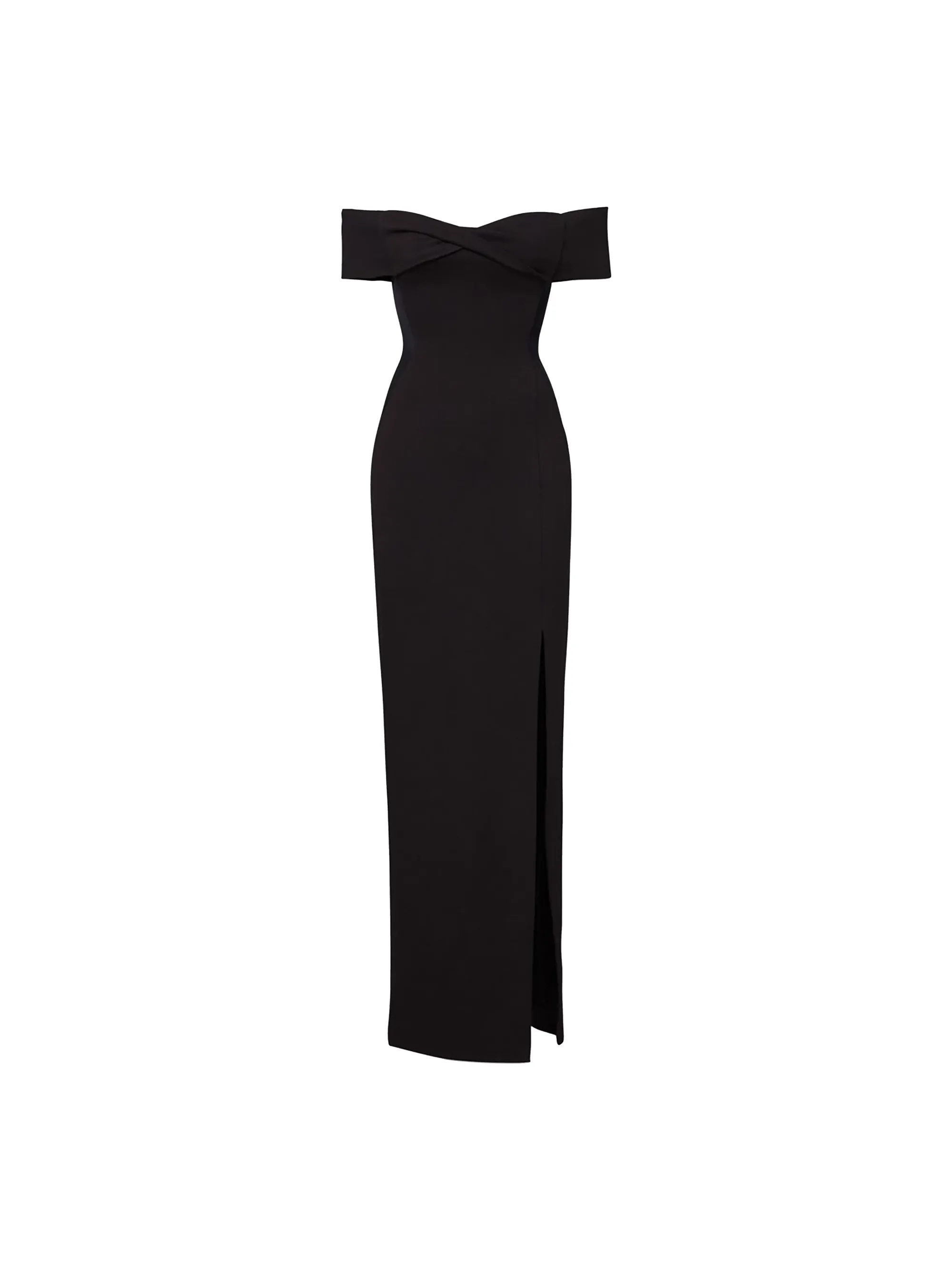
A ghost mannequin service, also called invisible mannequin editing or neck joint retouching, removes the mannequin from garment photography in post-production. The result is a clean, hollow-form image that shows the garment's shape, structure, and fit without any physical model or stand in frame.
This technique is standard across apparel, swimwear, lingerie, activewear, and accessories. It gives product images a consistent, professional look that performs reliably across marketplaces, D2C storefronts, and wholesale catalogs. For brands producing large SKU volumes, it is also significantly more cost-efficient than booking models for every product line.
The output depends entirely on how the garments are shot and how the editing is executed. A strong ghost mannequin service provider will have clear guidelines for your studio team, handle front-and-back composite work accurately, and deliver files that are ready for upload without additional correction.
What Is Included in Ghost Mannequin Photo Editing Services?
The scope of a ghost mannequin service varies by provider, but a production-grade offering should cover the following:
Neck joint / invisible mannequin compositing: Combining front and back (or interior) shots to reconstruct the garment's neckline and interior structure after mannequin removal.
Background removal and replacement: Isolating the garment against a clean white or specified background, ready for direct upload to Shopify, Amazon, Zalando, or other channels.
Colour correction and consistency: Ensuring each garment renders accurately and consistently across an entire colour range, with no tone drift between SKUs.
Shadow and depth work: Adding natural shadows or reflections where required to give images a grounded, professional finish.
Batch processing for high-volume catalogs: Handling large seasonal uploads with structured QA and consistent output, not a one-image-at-a-time workflow.
Revision management: A defined process for flagging issues and receiving corrected files without excessive back-and-forth.
Some providers like Pixofix also offer same-day or 24-hour turnaround tiers, dedicated account management for enterprise clients, and direct delivery integrations to cloud storage or DAM systems.
Why Work With a Ghost Mannequin Service Provider?
For brands producing more than a few hundred images per season, the decision to outsource ghost mannequin editing is almost always the right one. Internal design teams are rarely structured to handle the volume, speed, and consistency that a dedicated production partner provides.
The operational case is straightforward. A specialist provider has already built the workflow infrastructure: editing templates, QA checkpoints, file naming conventions, and turnaround SLAs. You are buying that infrastructure, not just individual edits.
There is also a quality floor that matters commercially. Inconsistent ghost mannequin work, visible seams, misaligned composites, or uneven background tones are noticed by buyers on product pages. They affect conversion. A reliable provider maintains standards across every file in a batch, not just the first ten.
Seasonality is another factor. Fashion brands face concentrated upload windows around drops and seasonal refreshes. A production partner can absorb those spikes without the overhead of hiring and training temporary staff. The cost structure is flexible, and the output is predictable.
How to Choose a Ghost Mannequin Service Provider?
Not all ghost mannequin service providers are built for the same brief. Some are high-volume production houses. Others focus on boutique, detail-intensive work. The right partner depends on your output requirements, your brand standards, and how your studio workflow is structured.
Review their output, not just their pitch.
Ask for before-and-after samples across different garment categories: knitwear, structured jackets, bodysuits, lingerie. Ghost mannequin editing behaves differently across garment types. A provider that handles T-shirts cleanly may struggle with asymmetric hems or layered garments. The samples will tell you.
Ask about volume capacity and turnaround.
If you are uploading 500 to 2,000 SKUs per season, confirm the provider can absorb that volume within your upload window. Ask specifically about peak capacity, not average throughput. Missed turnaround during a product launch is a production failure with real commercial consequences.
Understand their QA process.
A good ghost mannequin service provider does not just edit and deliver. They have a quality review stage before files reach you. Ask who reviews the output, what the rejection criteria are, and how revisions are handled. If the answer is vague, that is a signal.
Assess how they handle your brief.
Colour standards, background specs, shadow preferences, file format requirements: these are non-negotiable for most brands. A capable provider will ask for your brand guidelines upfront and demonstrate that they can match them before you commit to volume.
Evaluate pricing structure against your output model.
Per-image pricing is standard, but the rates vary significantly based on complexity. Structured garments, multi-layer composites, and detailed neck joint work cost more than basic background removal. Get a clear pricing breakdown by service tier so there are no surprises at invoice.
Test communication before committing.
Response time, clarity of feedback loops, and how a provider handles a revision request tell you more about the working relationship than any sales call. Run a paid sample batch before onboarding at volume.
.png)
.png)
.png)
.png)

.svg)