.png)


Fashion Photography Trends 2026: What Ecommerce Brands Need to Shoot and Edit at Scale
Why do fashion photography trends matter for ecommerce brands?
How does photography style affect brand identity?
Style isn’t just in the clothes, it’s in how they’re captured. The right photography trend can sharpen a brand’s aesthetic edge. Whether it’s bold compositions or stripped-back minimalism, every visual detail co-shapes the customer’s first impression. Updating photography style along with seasonal collections signals relevance. It shows customers your brand evolves with culture, not just inventory.
What makes fashion photography engaging to shoppers?
Fresh photography grabs attention. Trends like candid imagery, behind-the-scenes vibes, and emotion-rich portraits make users pause mid-scroll. People don’t just want to see clothes, they want to feel the moment. This immersive quality keeps consumers looking longer and clicking deeper into your store. Photography becomes storytelling, and storytelling creates connection.
What are the biggest fashion photography trends in 2026?
Why are bold color palettes trending in fashion photography?
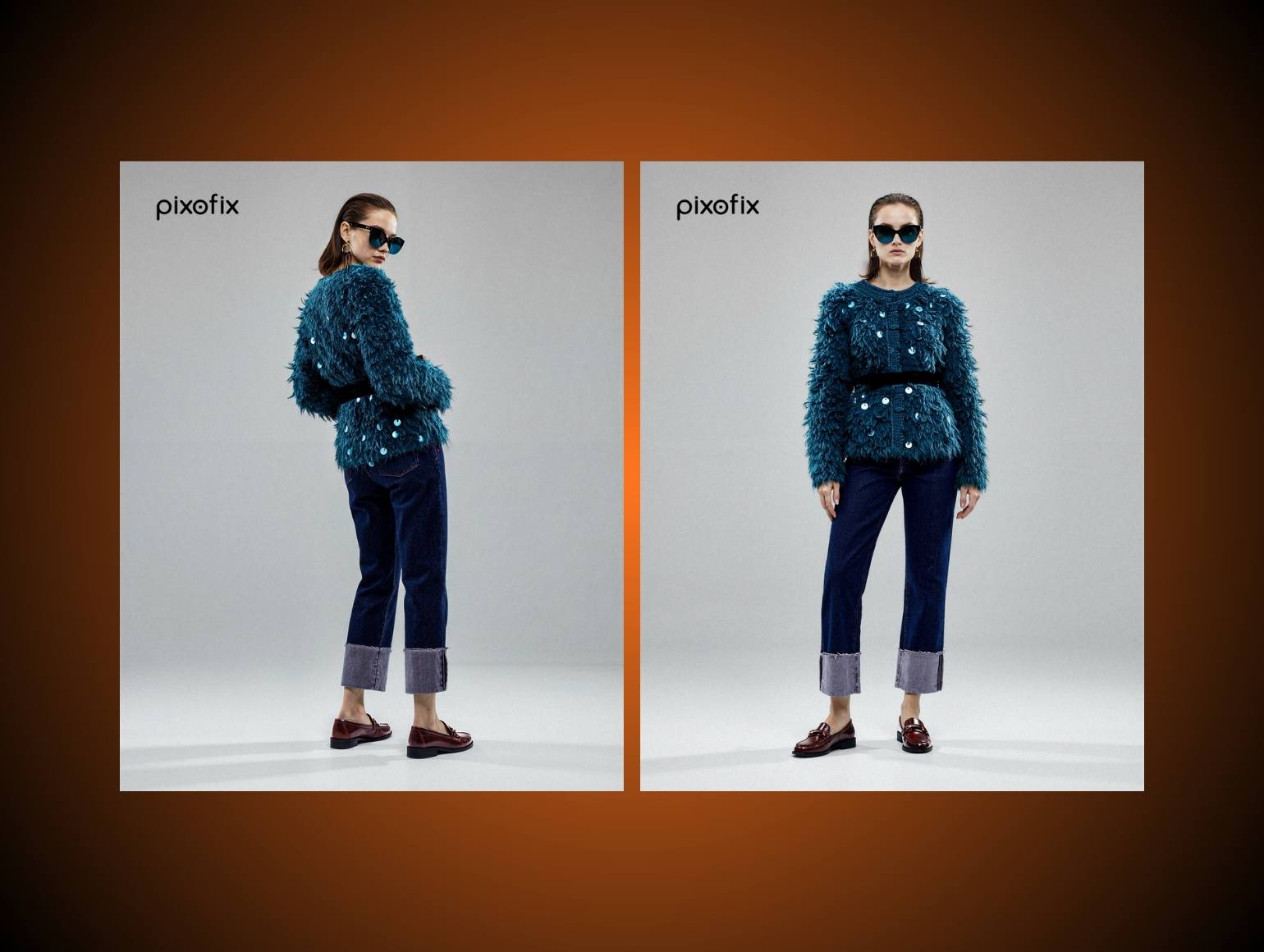
Muted tones are stepping aside. 2026 brings unapologetic vibrancy, saturated primaries, neon accents, unapologetic contrast. It’s about color as energy. Editorials are embracing maximalism, and product photography is following. In ecommerce, these palettes make thumbnails pop and create visual hierarchy in crowded feeds.
How is AI changing fashion photography workflows in 2026?
AI is no longer separate from the creative set. Photographers are using generative tools to prototype concepts, fill in backdrops, or automate repetitive retouching. The trick isn’t replacing the human, it’s speeding up the pipeline. Pixofix leans into this hybrid approach: human-led edits, AI-backed execution. It preserves craft without slowing down delivery.
Why are brands moving toward authentic, unposed photography?
Over-posed is over. Models look into mirrors, laugh mid-shot, fidget with jackets, moments that feel real. This shift towards authenticity answers consumer fatigue with perfection. It’s less about performance, more about perspective. For ecommerce, this trend translates into trust. Users see less “modeling” and more “how it would really look on me.”
What does the retro photography trend look like in 2026?
Film textures, 90s flash lighting, soft focus; nostalgia is back, but refined. This isn’t about replicating old aesthetics. It’s about remixing them. Styled right, retro photography anchors emotional memory and gives visual depth to digital products. Think grainy textures over clean white products or off-tint blacks in campaign shots.
How is inclusive representation changing fashion photography?
Fashion isn’t defined by one body or one story. 2026 visuals reflect this. Casts are diversifying across every axis; size, ability, age, culture. But it’s not tokenism. It’s artful, dynamic, and proudly visible. Trends are shifting from box-checking to culture-leading. Ecommerce brands that visualize inclusivity build deeper loyalty from a broader base.
Are 360-degree product photos worth the investment?
Flat images now coexist with motion. Rotatable looks, zoomable textures, cinemagraphs; customers want to touch with their eyes. These formats turn passive viewers into active scrollers. For brands, these trends offer more data, more time-on-page, and less uncertainty at checkout. Teams that plan ahead, shooting content for both still and spin, gain speed later.
What are the best practices for ecommerce product photography?
How do you choose a consistent photography style across a catalog?
Photography style sets the tone before a word is read. Is your brand polished and editorial or raw and street-smart? Start by matching photo style to product category and audience aesthetic. Then lock it with guidelines. Brands who scale don’t guess their style per product. They define it. Teams like Pixofix help standardize across SKUs so every image aligns with brand feel.
When should you use flat lay versus ghost mannequin photography?
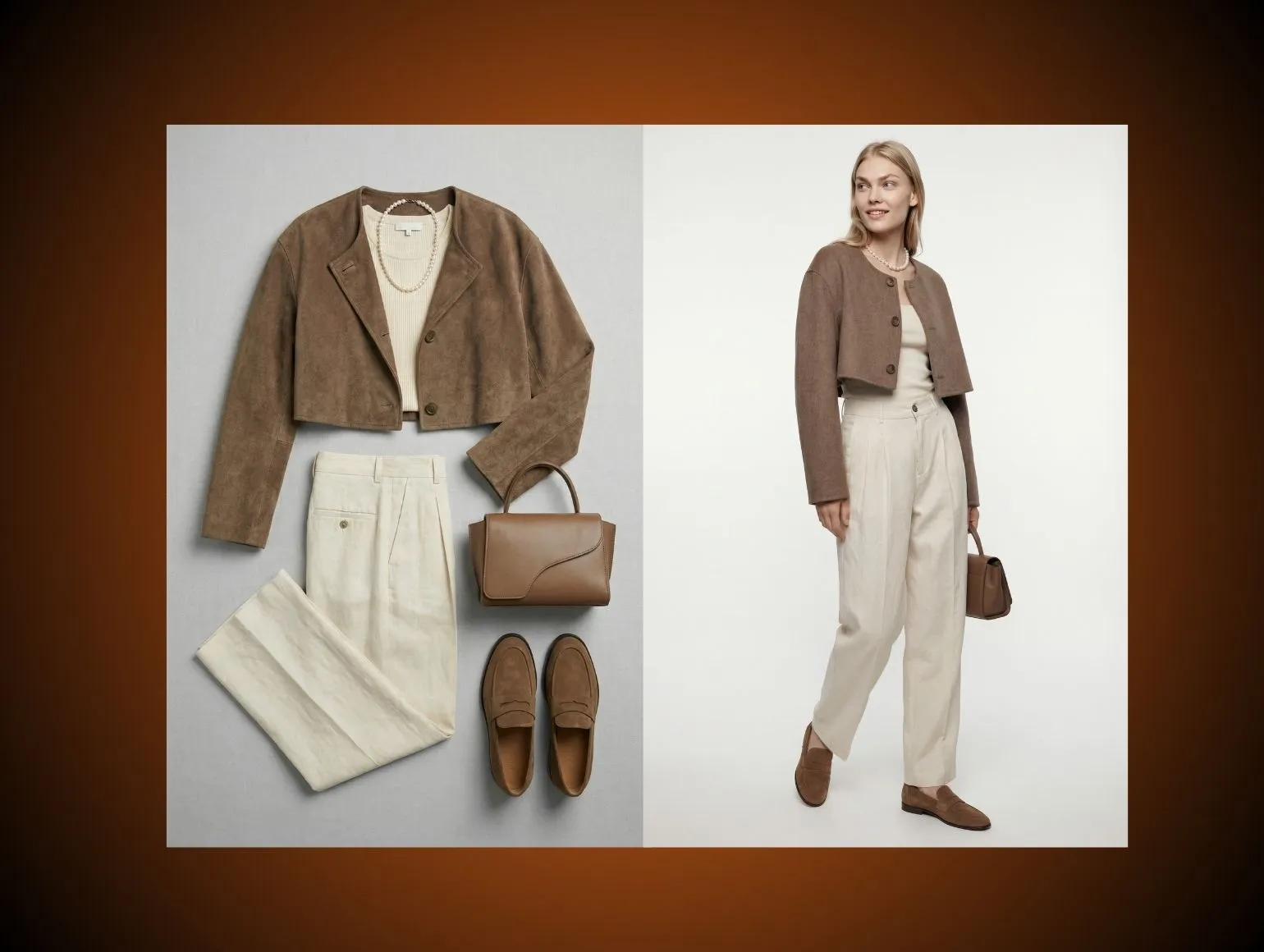
These aren’t just studio tricks. Flat lays offer versatility; ideal for multi-product shots, ecommerce banners, or minimalist PDPs. Ghost mannequins deliver dimension without distractions, especially for apparel with structure. Done cleanly, they center product without empty space or awkward styling. Fast visual clarity, no model-dependent variables.
How do you use lifestyle photography without losing product clarity?
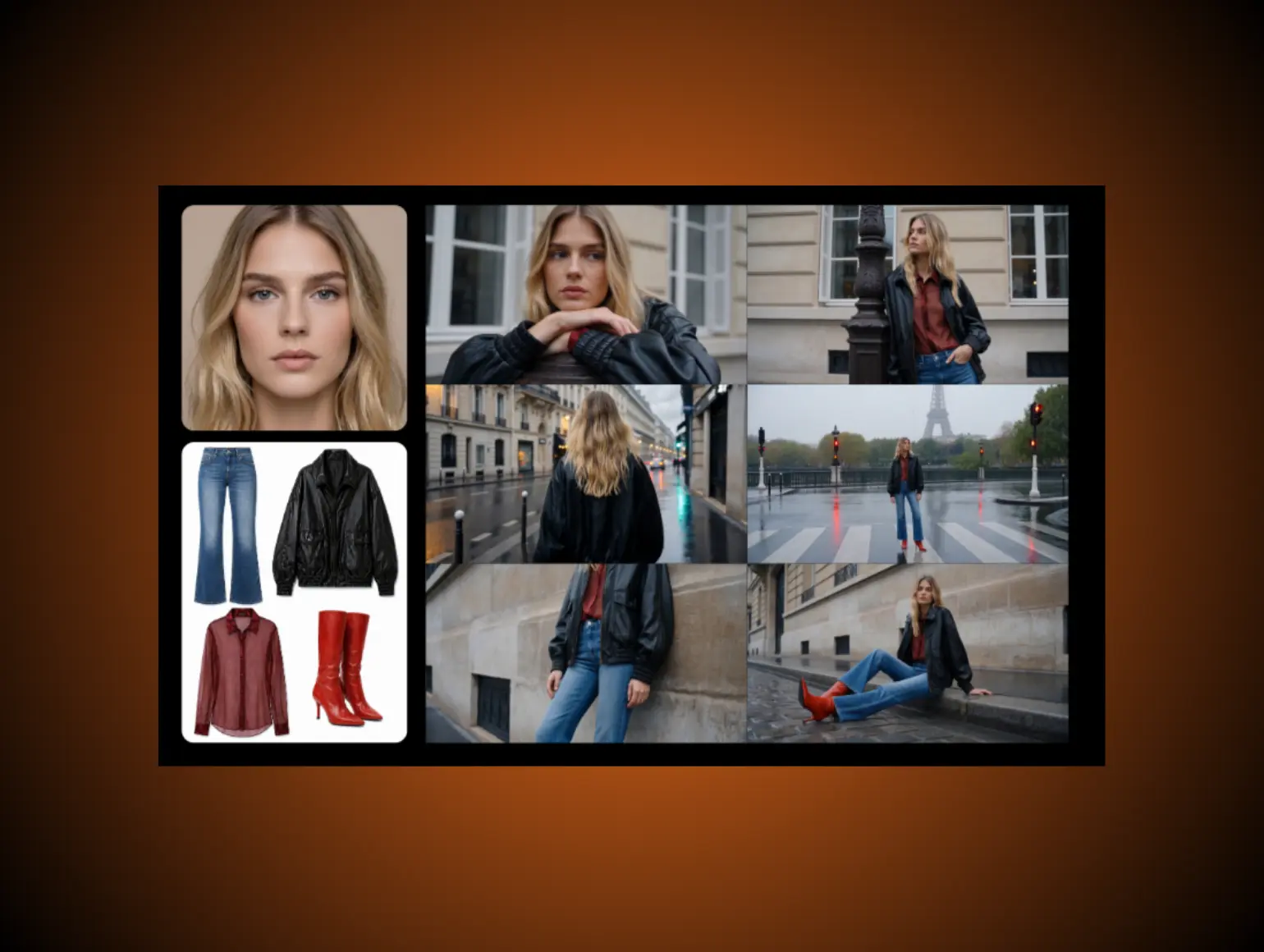
This is where products come alive. Lifestyle shots show fit, feel, context; the movement your customers imagine. But the key is relevance. Every prop, location, and facial expression must align with the user’s world. A lounge set in a high-gloss penthouse? Jarring. On a messy Sunday couch? Sold. Successful brands mix lifestyle with PDP to bridge emotion and information.
What equipment and software do you need for fashion photography?
What camera gear is essential for fashion photography?
You don’t need the most expensive rig, but gear choices matter. Full-frame cameras offer flexibility in low light. Fast lenses bring depth and mood to portraits. Good lighting, whether strobe or continuous, defines the product texture. Edges matter online. Especially in tight ecommerce crops. Clients partnering with experts like Pixofix can count on that detail being preserved post-capture too.
What's the best photo editing software for fashion brands?
Photoshop remains the retouching powerhouse. Lightroom streamlines batch edits. Capture One reigns in tethered workflows for fashion studios. Generative fill tools are emerging, but realism still demands a human touch. The best retouching doesn’t erase imperfections, it crafts realism with intention. That’s where teams like Pixofix elevate brands: clean edits that don’t lose texture, detail, or attitude.
What on-set technology speeds up a fashion photo shoot?
Tethered shooting turns testing into tightening. Real-time previews help teams refine instantly, no guesswork in post. Color-calibrated monitors and streamlined DAM tools keep sets moving fast. For studios handling volume, integrating Pixofix into the workflow means every approved shot flows into retouching without breaking the momentum.
What editing techniques improve fashion photography results?
Why does post-production matter as much as the shoot itself?
The camera captures light. Editing shapes emotion. Crops, contrast, skin tone corrections, each decision tightens brand alignment. Especially in ecommerce, where visual trust matters more than copy. Post-production isn't about beautifying everything. It's about directional storytelling. Done right, it makes images feel cohesive and intentionally executed.
What does a professional fashion photo editing workflow look like?
- Select hero shots, avoid clutter batching.
- Tune exposure, contrast, and white balance across the set for cohesion.
- Remove distracting elements but keep natural form.
- Focus on skin tone accuracy. It’s often overlooked.
- Align with brand presets or LUTs for color consistency.
- Finalize with format-export for ecommerce: compress without losing clarity.
Pixofix builds custom workflows for brands needing editorial-level attention in product timeframes. Their real-time QA and feedback loop prevent mishits before they go live.
What editing mistakes hurt fashion photography most?
Over-smoothing skin turns real humans into plastic. Inconsistent white balance mismatches product tones across listings. Heavy filters age fast. And automated tools can flatten shadows or distort fabric texture. Great editing isn’t about adding drama. It’s about restraint, accuracy, and preserving the product’s integrity. If a photo sells the wrong color or fit, editing has failed.## Maximizing Visual Impact in E-Commerce
How do you maximize the visual impact of ecommerce photography?
Do before-and-after photo comparisons build customer trust?
Before-and-after visuals are more than a gimmick, they’re trust accelerators. Showcasing the raw vs. retouched version gives transparency, especially when edits are subtle and intentional. This works best when the change tells a story: lighting correction that unveils fabric texture, or color grading that sharpens mood. For ecommerce, showing a before-after swipe (especially on PDPs or landing pages) can highlight craftsmanship in product presentation, not just the product.
Pixofix often provides side-by-side previews to clients before final delivery. This not only builds alignment but also educates internal teams on how editorial polish stays grounded in realism. When shared publicly, these comparisons remind audiences that you’re refining, not illusion-making.
How do you create visual storytelling in product photography?
Great ecommerce photos don’t sit still, they whisper movement, vibe, time of day. Visual storytelling in product imagery means staging purposefully: a wind-swept shirt, a breaking wave timed with swimwear, shadows falling just right on a leather boot. These cues immerse the viewer. They answer: “Where would I wear that?” without a single line of copy.
Brands that shoot with intention find that their photos double as campaign assets and ecommerce workhorses. This is where teams like Pixofix elevate the outcome, crafting edits that keep the mood intact without stripping realism. The story stays, but the distractions go.
How do you measure whether your product photography is working?
Photographs drive clicks, which means they should be measured like any top-of-funnel asset. Monitor time-on-page, bounce rate, zoom interactions, and save-to-wishlist behaviors. If you A/B test hero shots, compare heatmaps too. Patterns emerge fast: angles that boost conversion, lighting styles that drop exit rates.
Behind the scenes, Pixofix helps brands identify which photo styles work best for their audience by building consistent test sets. When you remove variability (wildly different edits, styles, crops), and only tweak one visual factor, data turns into insight. That’s how you build better shoots, and tighter margins.
How do you integrate new photography trends into an existing workflow?
Trends fail brands that adopt them wholesale. The fix is a structured filter, not blind adoption. Start by sorting trends into two buckets: transient trends that boost short-term reach, and adaptable trends, like authenticity or inclusivity, that can inform core visual guidelines long-term.
From there, run a simple pilot process:
- Audit current visuals for compatibility with the trend.
- Define specific use cases: PDP, campaign banner, or social only.
- Pilot with 10% of output before any full rollout.
- Roll out through your DAM and editing pipeline with documented instructions.
The same trend needs a different translation depending on the brand. High-gloss surrealism can sharpen a beauty brand's edge and alienate a heritage denim line in the same breath. A luxury footwear brand that leaned into bold color palettes through exaggerated surface iridescence saw stronger click-through from email thumbnails; a streetwear label chasing the same 90s nostalgia trend kept product sharpness uncompromised instead and grew cart adds 18%. Same trend, two different executions, because each stayed anchored to its own brand tone rather than copying the other's playbook.
Pixofix runs this pilot-to-rollout process for brands managing full catalogs, turning a tested trend into standardized retouching presets that apply across every SKU without a reshoot.
How do you monitor and adapt to fashion photography trends over time?
What metrics show whether a photography trend is working?
Photography isn’t static. Its performance shouldn’t be either. The indicators to watch aren’t just engagement but engagement type. Do users zoom? Click to next angle? Linger on hero images? Are certain shots driving disproportionate add-to-cart rates?
Segment by photo type to go deeper: lifestyle vs. flat lay, high-shine vs. matte, full-body vs. crop-in. The insights shape future shoots. Ecommerce optimization lives in this nuance.
When working with Pixofix, clients often get visual QA tied to performance feedback loops. If color treatments are falling flat or certain crops aren’t converting, the pipeline adjusts fast. This isn't just quality control, it's conversion control.
How do you stay ahead of emerging fashion photography trends?
By the time a trend hits a major campaign, it’s already mid-cycle. Stay ahead by watching indie shoots, style blogs, new photographer portfolios, and where creators go visually before they go viral. TikTok aesthetics often show where ecommerce needs to be next quarter, not where it is now.
Keep a visual swipe file. Revisit it weekly. Shoot test concepts monthly, even quick ones. This loop turns your studio into a forecasting lab.
For brands who work with external teams like Pixofix, staying trend-current means more than chasing what's hot. It means building adaptable templates that don't burn out when the next style shift happens.
How can customer feedback improve your product photography?
Comments sections shouldn’t be ignored. Neither should returns. If users say “color looked different IRL,” it’s not just a product issue, it’s a photo problem. If a lookbook image gets bookmarked more than a product shot? That’s a signal your PDP photography might be missing resonance.
Send small batches of images into customer panels or micro-tests. Layer Google Analytics with visual asset tagging. Feedback plus behavior equals clarity.
Pixofix has helped brands tag images by style type, then run performance comparisons across platforms. The result isn’t just better photos. It’s smarter decisions on what to dial up or dial back.
What are the most common fashion photography mistakes?
What does over-retouched fashion photography look like?
Plastic-looking skin and fabric stripped of texture kill trust faster than almost any other editing mistake. Over-editing smooths away humanity and distorts fit and finish exactly where ecommerce visuals need to be most honest. Inconsistent white balance across a product set is a quieter version of the same failure, since it mismatches product tones across listings and erodes the same trust.
Automated retouching tools compound the problem. Left unchecked, they flatten shadows and distort fabric texture in ways that are easy to miss until a customer receives a product that looks nothing like the photo. Heavy filters carry the same risk in a different form: they look striking for a season and then date the entire catalog.
None of this means raw, unedited images are the goal. Restraint is the strategy. Great retouching preserves reality while still elevating focus, so the viewer sees the garment, not the edit.
What's next for fashion photography beyond 2026?
How will AI and technology change fashion photography next?
Expect less separation between concept and execution. Real-time AI styling, smart lighting rigs, and non-destructive editing previews are already creeping into sets. Soon, product photography won’t just be shot, it'll be built in hybrid layers, blending captured imagery with generated textures and digital shadows.
The human role shifts toward direction and taste. For retouching, that means teams like Pixofix combining muscle memory from human editors with AI-assisted speed. Pixels corrected faster. Stories told truer.
Can fashion photography become more sustainable?
Less location-hopping. More set reuse. Sustainable photography will move from the product to the process. That means shooting smarter: evergreen backdrops, modular lighting, content that serves multiple platforms. Fewer reshoots. More intentional assets.
Editing plays a role too. Smart post-production extends lifespan of core images, letting one shoot serve five campaigns without visual exhaustion. The Pixofix approach leans into this efficiency, reducing waste while retaining editorial quality.
How is social media changing what ecommerce photography needs to do?
Trends no longer launch in magazines, they start in scrolls. But what pops on social often needs more structure to work in ecommerce ecosystems. Expect brands to build dual-flows: social-first visuals (fast, emotional, fleeting) and ecommerce-first visuals (consistent, detail-rich, evergreen) — all captured in one shoot day.
Social also fuels the feedback loop. Top-performing Reels or posts often dictate what gets re-shot for PDPs. Fashion photography becomes participatory. The next trend isn’t in a brief. It’s in your comments.


.png)
.png)
