.png)

3D Product Rendering vs. Traditional Photography: Cost, Speed, and When Each Wins
For a single product with a short image list, photography is usually the simpler choice, and Shopify's published price ranges do not show 3D rendering as cheaper per image. Rendering starts to pay when one product needs many images over its life: new colors, angles, formats, seasonal updates, or visuals before a sample exists. This guide compares the two on cost, speed, and product fit, and says where I would use each.
What 3D Product Rendering Is (and What It Isn't)
3D product rendering means building a digital 3D model of a product and generating images from that model, with no camera pointed at the physical item. The modeler works from product photos or, for something still in development, from a sketch and specs. A render engine then produces the finished stills.
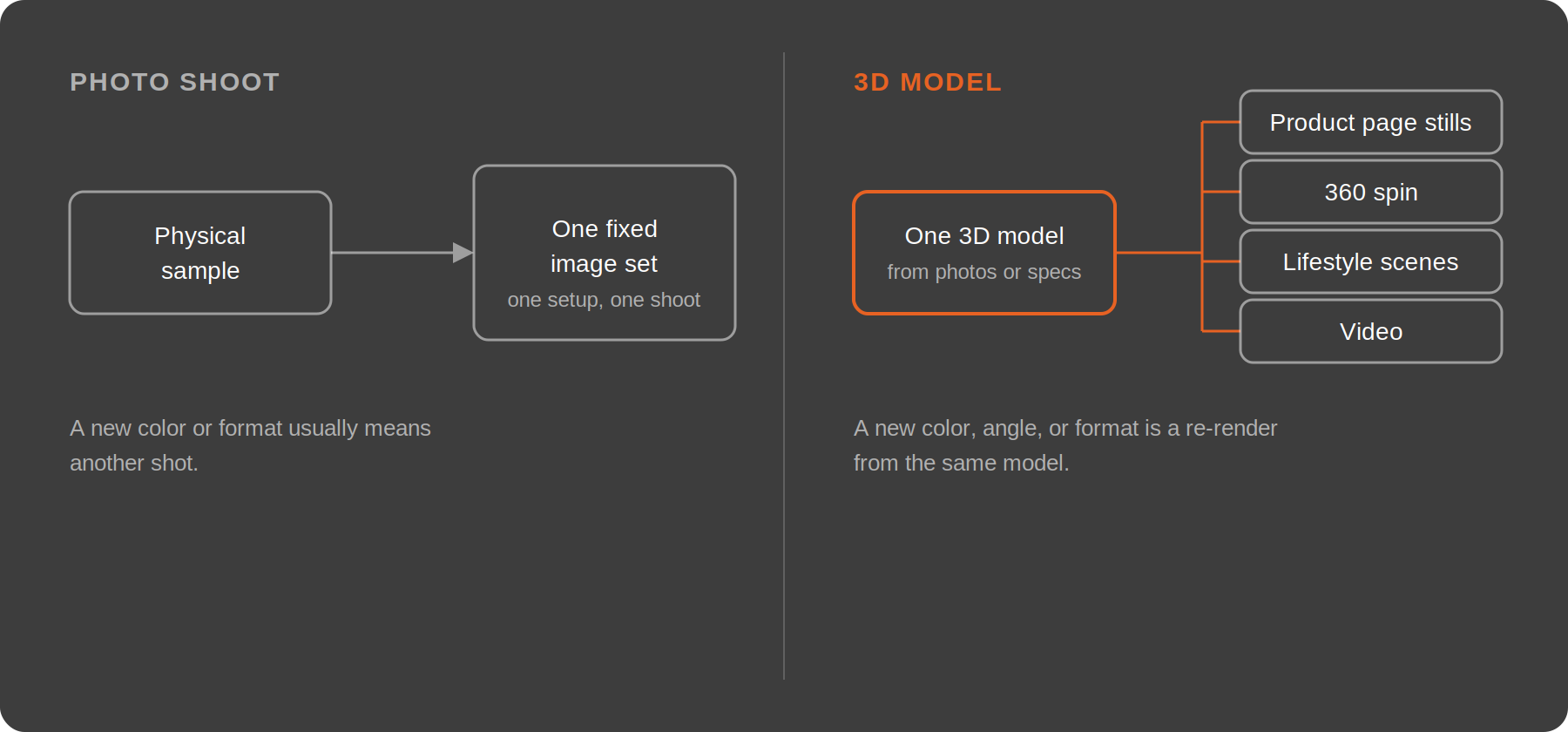
The practical difference from photography is what you end up owning. A shoot gives you a fixed set of images of one sample under one lighting setup. A model gives you a file you can recolor, relight, and re-angle, so one asset can feed product page images, 360 spins, lifestyle scenes, and video. At Pixofix, we build models from photos or from a sketch and specs, and every format we deliver comes from that single model. Our guide to turning product photos into a 3D model shows how that works.
Two neighbors are easy to confuse with rendering. AI image generation draws pixels directly and has no 3D model of the product behind it. Some production workflows use AI to create a starting model, but a modeler rebuilds it into a clean, editable asset, so the output remains a controllable 3D file. Interactive 3D is the other. Shopify's guide to 3D ecommerce covers 3D viewers, AR, VR, and product configurators as ways for shoppers to interact with a model. Those experiences also run on a model, while this article compares the static images a model produces with photography. I would keep the two questions separate, because they come with different costs and different evidence. We cover the interactive side in 3D configurators versus a rendering partner.
Where Traditional Photography Still Wins
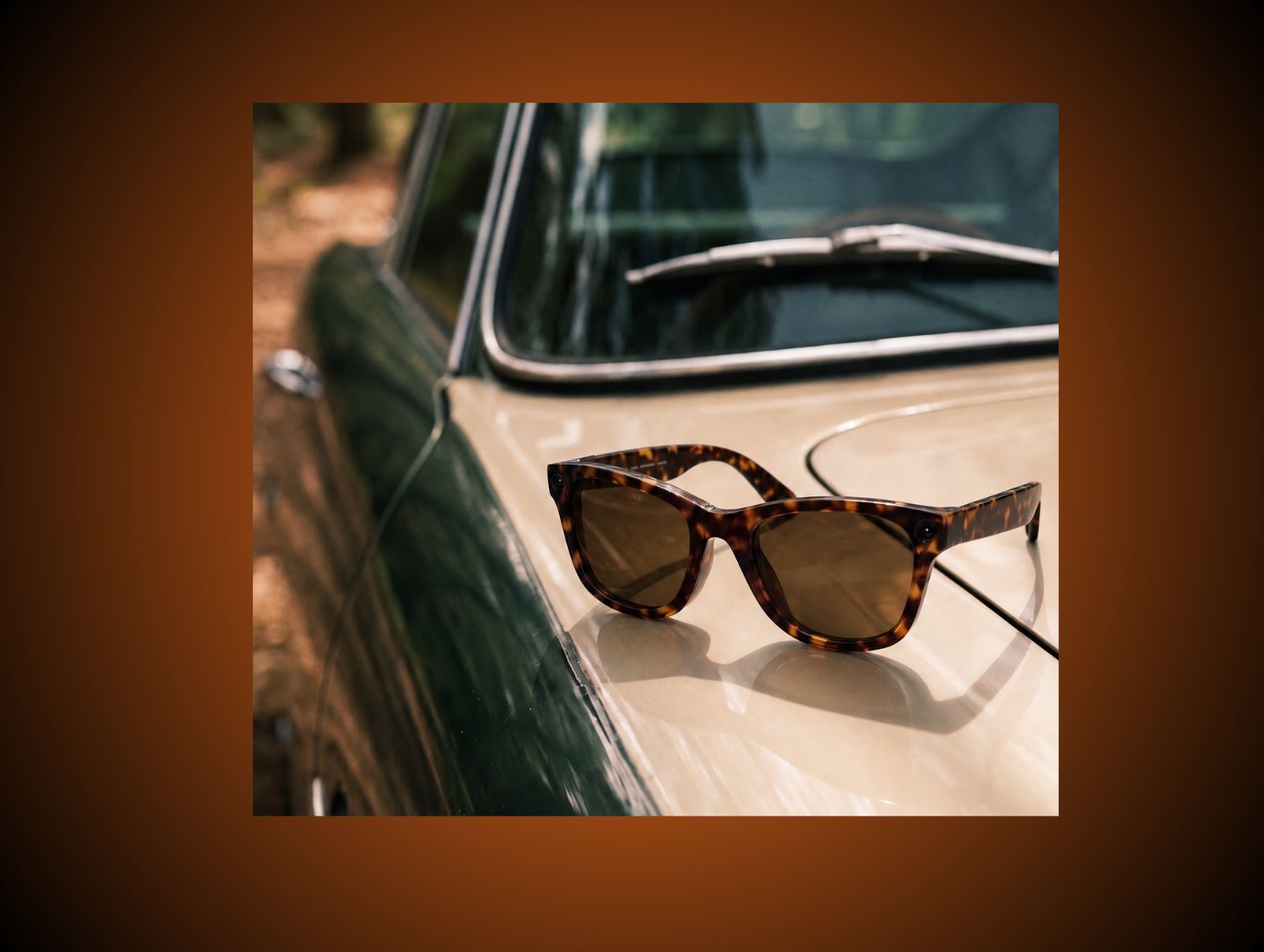
Photography records the object you actually made. Material behavior, small manufacturing variation, and the way a finish reads under real light come with the image, and nobody has to model them. For a one-off product, a small catalog, or a launch where the sample is already on the table, a shoot has no build step to spread across later images, so it is usually the shorter path to a finished image.
It also remains the better tool for campaign work built around people, places, and mood. At Pixofix, we still point brands to traditional shoots for hero campaigns and highly creative concepts, and use rendering and AI for the repeating catalog images around them.
Before deciding a method has failed, check whether the problem is the photo or the process. Dust, color casts, and uneven backgrounds are retouching jobs, and a clean capture rarely needs rebuilding as a 3D model. We lay out that call in our guide to when to reshoot, retouch, or regenerate.
Where 3D Rendering Wins
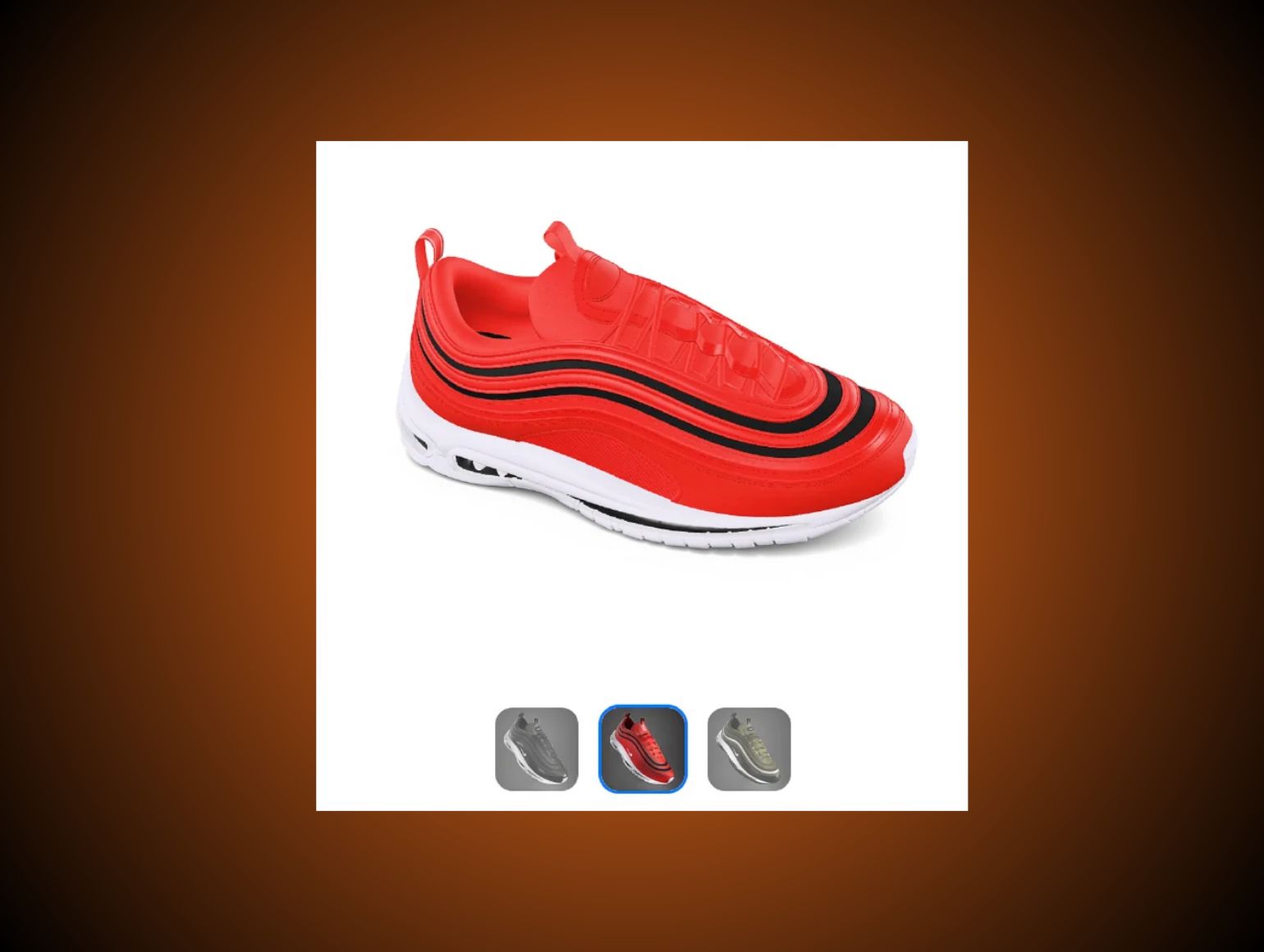
The advantage of 3D rendering is reuse. Shopify describes renders as consistent, high-quality visuals that are easy to update for seasonal changes or product modifications, and its example is a furniture retailer showing one sofa in several fabrics. Once the model exists, a new color, angle, or format is a re-render, where a shoot usually means a new setup.
Rendering also works before a physical product does. Shopify points to prototyping, where businesses visualize product concepts before physical production, and the same renders can double as launch visuals. At Pixofix, we can build a model from product photos or, for something still in development, from a sketch and specs.
My own rule for this decision: count the images a product will need over its whole life, not the first one.
What It Costs and How Long It Takes
Per image, the published ranges do not separate the two. Shopify's 2026 guide to product photography pricing puts photographers at $500 to $3,000 per day and finished images at $50 to $350 each, with rush fees of 25 to 200 percent of the job. Shopify's 2024 FAQ on 3D product rendering gives $100 to $1,000 per render, depending on complexity, quality, and the artist's experience, and it does not say whether that includes building the model. Shopify's January 2024 guide separately puts a designer-built model at about $40 to $200 for a simple product and more than $1,000 for a detailed one. These are general ranges, and the per-image ones overlap.
So the first image will not tell you which method is cheaper. What differs is the cost of the tenth, fiftieth, or hundredth image. Shopify notes that wanting more variety, video, or lifestyle shots raises a photography quote, while a rendered product can be re-rendered from the same model. How much that matters depends on how many variants a product has. I have not found an independent study that prices it for a real catalog, so I would model your own SKU and variant counts instead of relying on a headline multiplier.
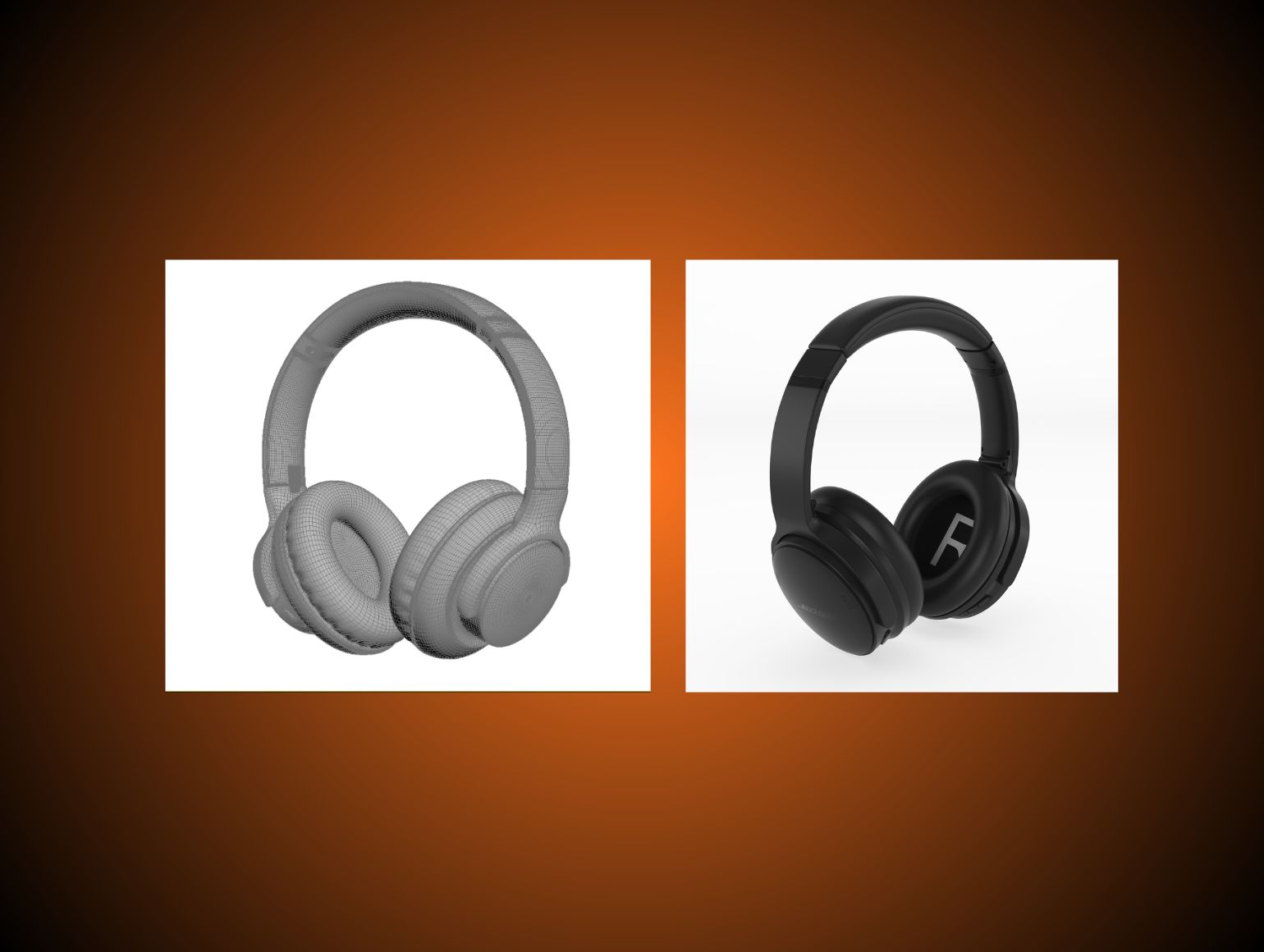
Time follows the same pattern. Photography runs on scheduling, shooting, and editing, with rush fees if the window is tight. Rendering front-loads the model build, after which Shopify puts render time at anywhere from a few minutes to several hours per scene. On one headphone project at Pixofix, AI-assisted modeling produced a production-ready model in about 12 hours, against the 28 to 32 hours we estimate the same model would take by hand. That compares two ways of building a model. It says nothing about 3D against a photo shoot.
In our own work, production from a reusable model has meant fewer revisions before delivery and a lower cost than traditional photography and video production. That is our experience, not an independent benchmark, so I would test it with a pilot on one of your products before building a budget around it.
Which Products Suit 3D, and Which Don't
Shopify lists three groups that benefit most from 3D: furniture and home goods, where scale and proportion are hard to judge; fashion accessories such as bags, shoes, and jewelry, where texture, hardware, and construction matter; and custom or configurable products. Our own work covers more than that list, including eyewear, electronics, and packaged goods like cosmetics. The common thread is what I would use as the test: rigid products with defined geometry, many variants, and details a buyer will zoom into.
Soft goods are the exception. We generally advise against 3D for clothing, because a garment's shape depends on the fabric and the body. Apparel is usually better served by our AI production built from flat-lays, ghost mannequin shots, or existing on-model photos, which is the work behind our AI PDP service. Structurally complex pieces, such as intricate runway garments, are the exception where a 3D model can earn its place.
If your catalog mixes both, split it by product type instead of choosing one method for everything.
When to Combine Them
The two methods split work well. Rendering suits the repeating images: product page stills, colorway swaps, and 360 spins. Photography suits the campaign image that needs a real person, place, or mood.
3D can also feed AI production. At Pixofix, a 3D model can drive AI-generated lifestyle scenes and on-model shots so they stay accurate to the real product, or the model can stand alone for stills, spins, and renders. If you want to see what a model of your own product looks like and how it performs, our 3D product rendering service starts with a paid pilot on one product, with no catalog-wide commitment.
What to Check Before You Publish Renders
Whatever method you pick, the image has to match the product a shopper receives. In the United States, the FTC's Policy Statement on Deception asks whether a representation is likely to mislead a reasonable consumer and is material to the purchase. It judges an advertisement by its overall impression, and it says fine print may not correct a misleading message. The statement does not mention renders. It is general advertising law.
In practice, I would compare each render against a physical sample for color, finish, scale, logos, and hardware before it goes live. I would also route anything unusual, such as marketing claims built around the render, to your legal counsel. Rules differ outside the US, so check local requirements if you sell elsewhere.
Where This Leaves You
For one product and a handful of images, I would shoot it. For a product that will need many colors, formats, and updates, or one that does not exist yet, I would price a model against the full image list before booking another shoot. For clothing, I would look at AI production first.
To see what a model of your own product produces, book a call with our 3D team and start with a pilot on one product.


.png)
.png)
