.png)

Top Veeton Alternatives for Fashion Brands in 2027
Understanding the Limitations of Veeton
Veeton markets itself as an AI photoshoot platform: upload a flat-lay or ghost mannequin shot, get back a photorealistic on-model image in minutes, no photographer or physical sample required. For a brand testing whether AI-generated fashion imagery is viable at all, that pitch is reasonable, and I've said before that AI product photography has gotten genuinely useful for specific jobs, on-model generation from flat-lays being one of them.
Where it gets more complicated is volume and cost. Veeton's Pro plan starts at $105.99 a month with 100 to 2,000 monthly credits, and generating a single on-model image costs 10 credits. Run that math and the entry tier gives you about 10 on-model images a month for that price, the top tier around 200. Once a catalog needs more than that, Veeton moves you into its custom-quoted Studio plan, and the published pricing stops telling you anything useful. That's not a criticism unique to Veeton, most credit-based AI tools hit the same wall, but it means the advertised price only describes the smallest end of what a fashion brand actually needs.
Usability is harder to assess independently than I'd like. Veeton has no user reviews on Appvizer as of this check, and I couldn't pull an independent rating from Trustpilot either. What I can check is Veeton's own marketing, and it leans on claims I can't verify: a "success rate above 95%" for batch on-model generation and a statement that Veeton delivers "the best model fidelity rate on the market for multi-SKU catalogs," both from Veeton's own blog, neither backed by a published methodology or a third-party benchmark. I'd treat those as vendor claims, not evidence, and the same goes for its reference to Monoprix using the platform, which comes from Veeton's own case description rather than anything Monoprix has said publicly.
The market-specific limit is the more honest read. Veeton is built as a tool you operate, which assumes someone on your team has the time to generate, review, and reject images before they're catalog-ready. That works fine at low volume. It gets expensive in a different way, your team's time, once you're running seasonal drops across a real SKU count, which is the gap the rest of this comparison is actually about.
What to Look for in a Veeton Alternative
Before comparing the five options by name, it's worth being clear about which axis actually decides the right fit, because each one sits in a different place on all four.
Volume is the first, and the one Veeton's own pricing already puts a number on. If you're producing a handful of images a month, a credit-based tool works fine. Once a catalog runs into hundreds or thousands of SKUs per drop, the question stops being whether a tool generates a good image and becomes whether someone actually gets through the whole catalog on schedule. I've written before about what it actually takes to scale product photography with AI from a handful of SKUs to 10,000, and volume is where most self-serve tools quietly stop being self-serve.
Human oversight is the second, and it's the one I see buyers underweight most. Every generation tool in this comparison, Veeton included, produces images that need a review pass before they're catalog-ready: garment texture artifacts, color drift between shots in the same set, a pose that doesn't read naturally. The question isn't whether that review happens, it's who does it. A DIY tool puts that job on your team. A managed service puts it on someone else's.
Integration effort is the third. Some of these platforms are enterprise software you plug into an existing product feed and site, which means implementation work before you generate a single usable image. Others are closer to a subscription app you sign into directly. Neither is wrong on its own, but choosing an enterprise integration without the technical resources to run it is how these projects stall before they start.
Cost structure closes it out, and it's rarely as simple as the sticker price suggests. Credit-based pricing scales with output, and it's easy to underestimate until you map your actual monthly image count against the per-image cost, the way I did with Veeton's plan above. Our breakdown of what outsourcing versus in-house retouching actually costs at 10,000 SKUs walks through that math in more detail for teams weighing a managed option instead of a tool subscription.
With those four in mind, here's how the five options actually compare.
The Best Veeton Alternatives
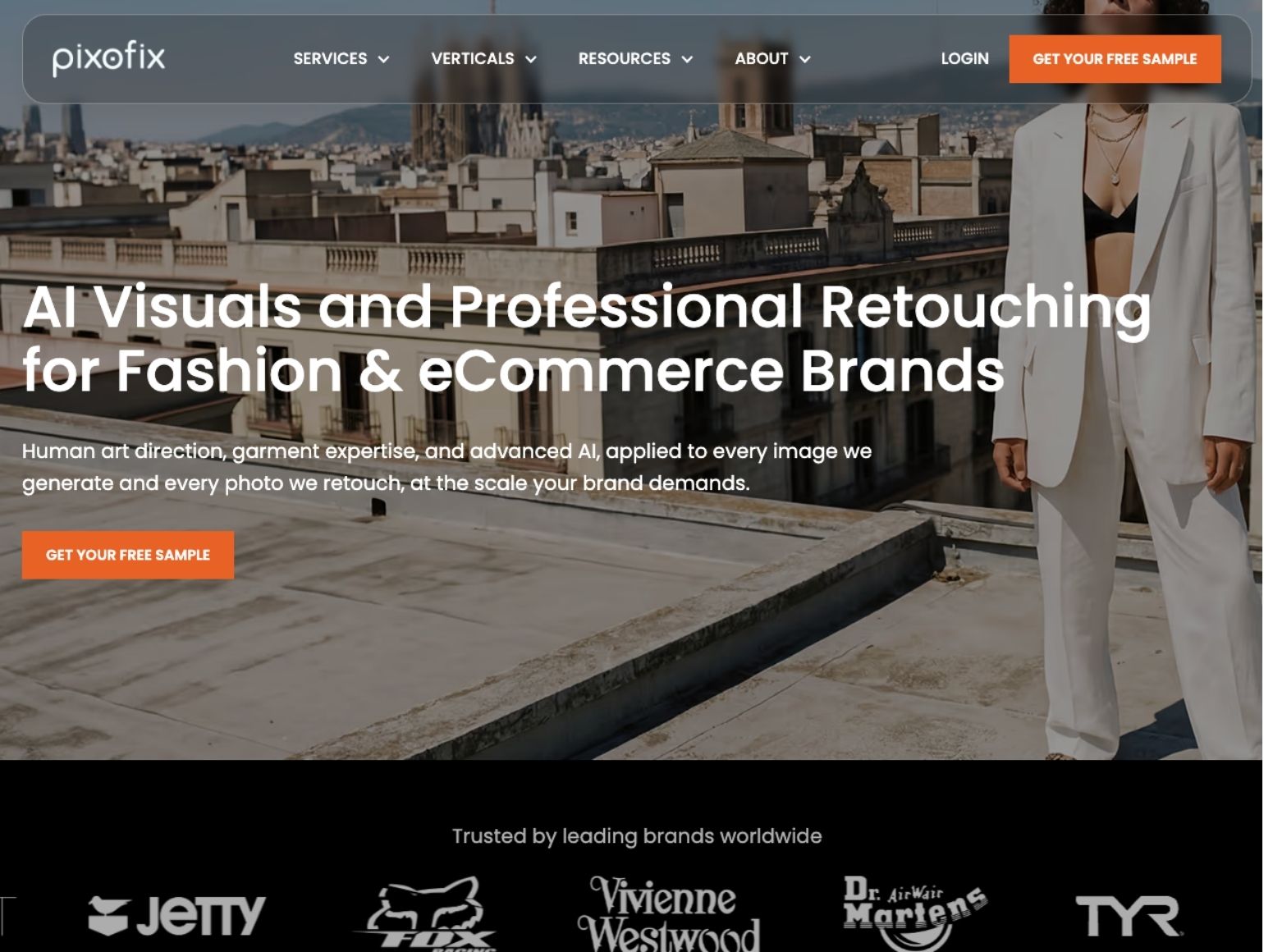
1. Pixofix
Pixofix isn't a Veeton competitor in the software sense. We don't sell a credit-based tool for your team to operate, we take your raw product photos and creative brief and return finished, brand-consistent visuals, using an AI and human hybrid process rather than an unsupervised model.
That distinction is where the volume math from Veeton's own pricing actually matters. A brand running a few hundred SKUs a season can burn through Veeton's Pro plan credits fast, and every image still needs a human check before it ships. We built our process around skipping that handoff entirely. Every project runs with AI artists, AI engineers, and garment experts working together, and every visual gets an AI plus human QC pass before delivery, not an automated generation you then have to review yourself. For Fashion Nova, that structure means our team processes over 25,000 images a month with a 12-hour average turnaround, output that would take a self-serve tool's credit allowance, and someone's working hours, to review at that scale.
I'd frame this as the right fit for brands that have already concluded a DIY tool is the wrong purchase, not because the tool is bad, but because reviewing AI output at catalog scale isn't a good use of anyone's time. If you're testing whether AI-generated fashion imagery works for your product at all, a handful of SKUs on a self-serve app is more appropriate. If you already know it works and the problem is consistency across a real catalog, that's what our photo retouching service is built around.
Best for: fashion brands with high-volume catalogs who want consistent, QC'd AI visuals delivered as a finished product, not another tool to generate, review, and reject images from themselves.
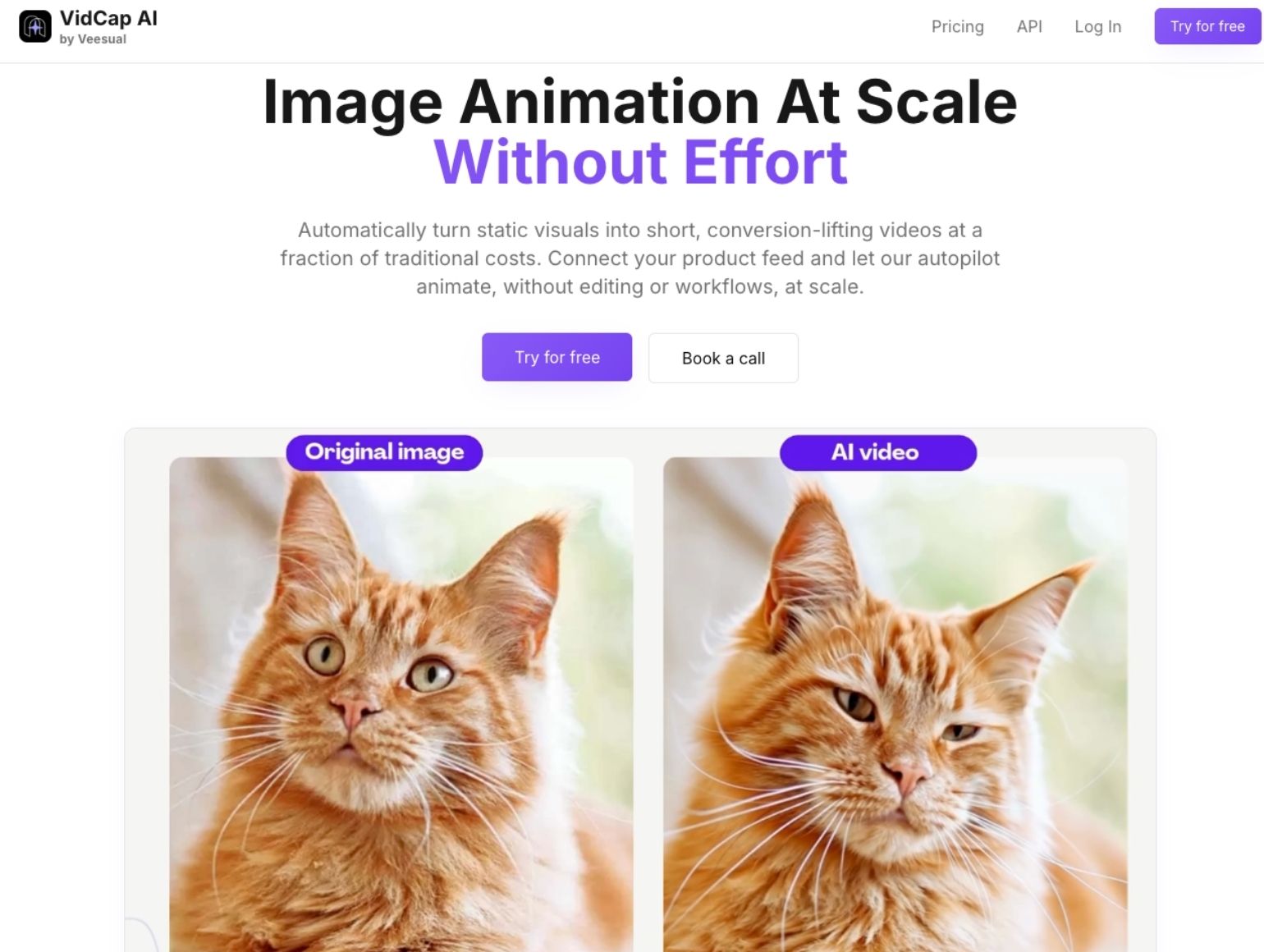
2. Veesual AI
Veesual is an enterprise virtual try-on platform, not a self-serve app. It connects to a retailer's existing product feed and site, and its published partnerships, including a US expansion alongside EILEEN FISHER, point toward large, established retailers rather than small or mid-sized brands testing a new format. No pricing is published anywhere on its site, which tells you plainly that this is a sales-led, custom-quoted platform, not something you sign up for this afternoon.
That makes Veesual a reasonable option if you already run a large ecommerce operation and want try-on built into your existing storefront rather than a separate app your team logs into. It's a poor fit if you don't have the technical resources or sales cycle patience for an enterprise integration.
Best for: large, established retailers wanting virtual try-on integrated directly into their own site and product feed, with the implementation resources and budget an enterprise sales process assumes.
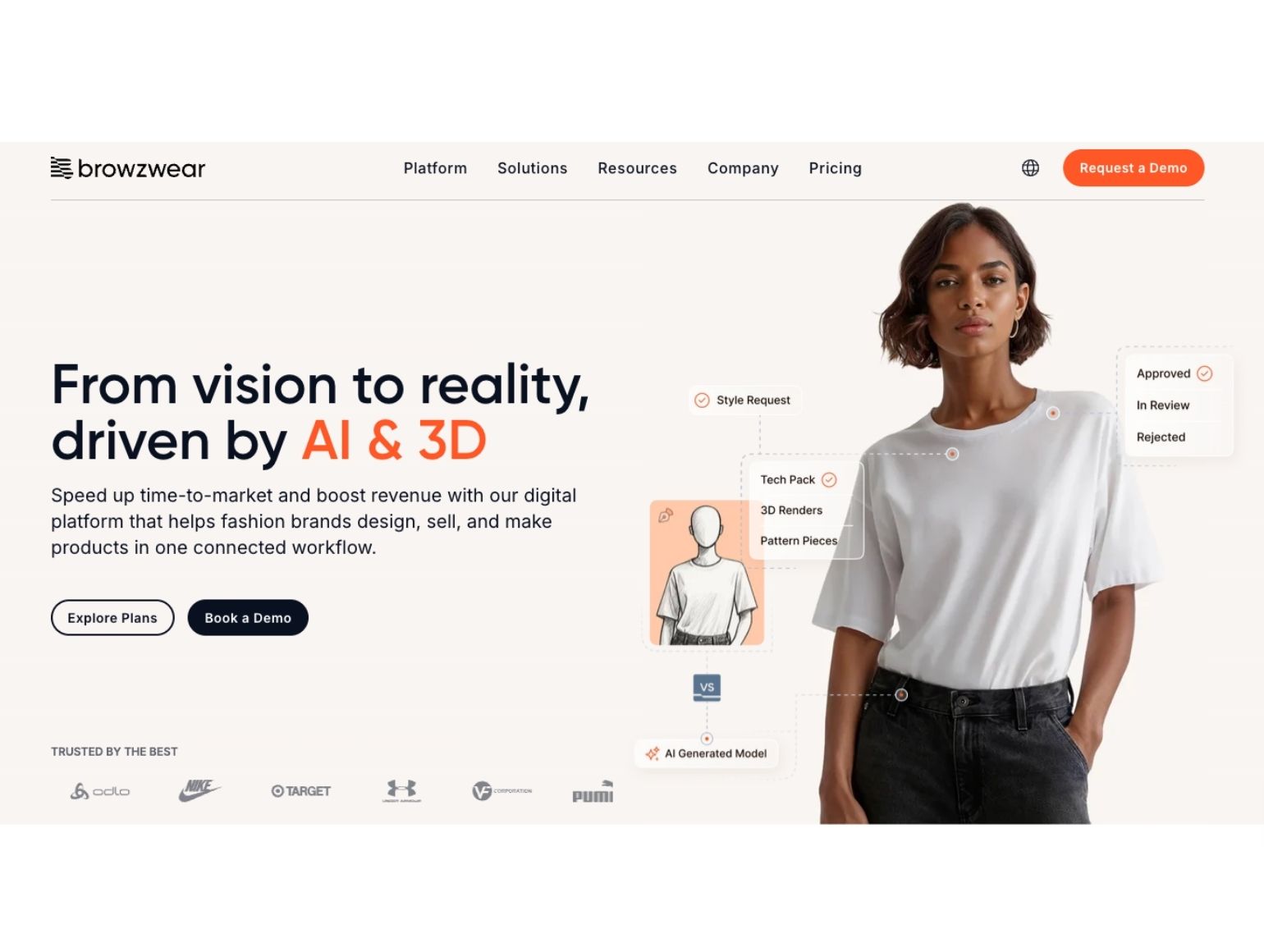
3. Browzwear (formerly Lalaland)
Worth flagging directly: Lalaland, the standalone AI fashion model company that shows up in a lot of Veeton alternative roundups, was acquired by Browzwear in 2025. It's no longer a separate self-serve product. Its AI model generation now lives inside Browzwear's broader 3D digital sampling and apparel design platform, alongside AI model generation for e-commerce catalogs and lookbooks, which is worth understanding as its own category if you're evaluating this route. No pricing is published, the site routes you to a demo request.
If you're already using Browzwear for 3D sampling or product development, having AI model generation in the same platform is convenient. If you're not, you'd be adopting an entire enterprise design workflow to get a feature you may only need for marketing imagery.
Best for: apparel companies already using Browzwear's 3D design and sampling tools who want AI model generation bundled into that same workflow, not brands looking for a standalone model-generation app.
4. Modelia
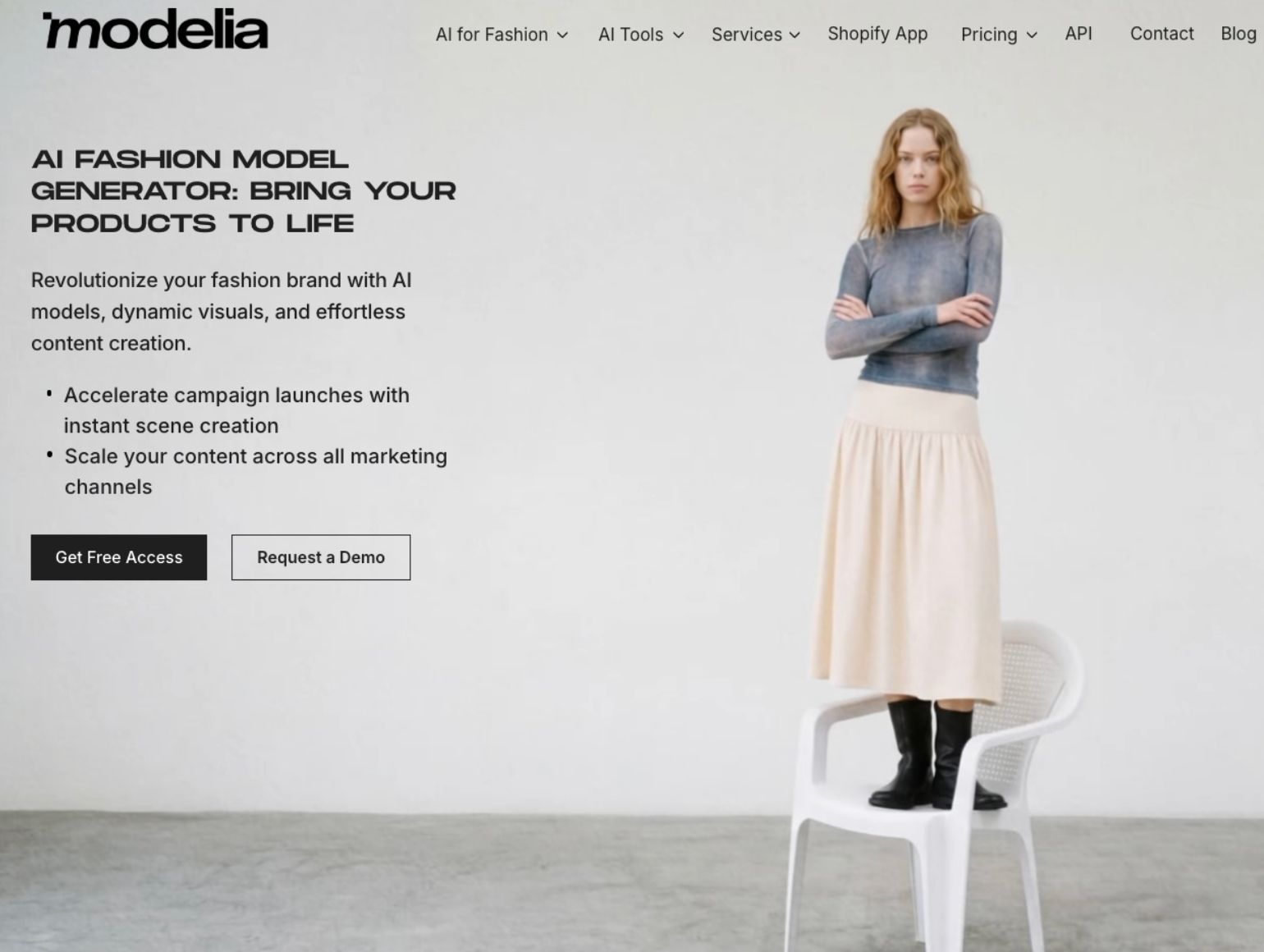
Modelia is the broadest self-serve app in this comparison. Beyond flat-lay-to-model generation, it handles accessory try-on (hats, shoes, glasses, bags placed on a model with realistic proportions), pose variations from a single image, and short video generation from a static shot, all inside one hosted app with a public API on its paid tiers. Pricing is tiered by credits and by how many "consistent characters" (recurring AI models) you can maintain: a one-time $12 Project tier for a single campaign, $35 a month for 250 credits and 3 characters, $85 a month for 750 credits and 6 characters, up to $300 a month for enterprise-scale volume.
That character-count gating is worth checking closely if brand consistency across a season matters to you, it's a harder cap than the credit count alone suggests. Like Veeton, Modelia has no meaningful independent review base yet, its Capterra listing shows a rating with zero submitted reviews, so I'd treat its own cost-savings claims (it states up to 90% lower campaign production costs) the same way I treated Veeton's, as marketing, not an audited figure.
Best for: brands that want one self-serve app covering model generation, accessory try-on, and short-form video, and are comfortable scaling their plan tier as the number of consistent characters they need grows.
.jpg)
5. FASHN.ai
FASHN.ai is the closest thing to a direct, self-serve competitor to Veeton on price and structure. Its Basic plan starts at $19 a month for 200 credits, with Pro at $49 and Agency at $99 for 1,500 monthly plus 100 daily credits, and a separate on-demand API at $0.10 per credit for developers who want to build try-on into their own product. That API option is the meaningful difference from Veeton: a technical team can integrate FASHN.ai's model directly into an existing app rather than working inside a hosted dashboard.
It's a reasonable entry point if your team has development resources and wants the flexibility of an API alongside a cheaper self-serve tier, less suited to a marketing team that wants a finished asset without writing integration code.
Best for: technical teams and developers who want an API-first, budget-friendly try-on tool to build into their own product or workflow, rather than a hosted app or a managed service.
Veeton Alternatives at a Glance
Here's how all five stack up side by side before we get into how to choose between them.
How to Choose Based on Your Brand's Volume and Team
The table above answers what each option does. This answers which one actually fits the stage your brand is at, which matters more than any feature list.
If you're a large, established retailer with an engineering team and you want virtual try-on built directly into your own site and product feed, Veesual is the option built for that, assuming you're ready for a sales-led enterprise process rather than a same-day signup.
If your company is already using Browzwear for 3D digital sampling or apparel design, its AI model generation is a reasonable add-on inside a platform you're already paying for. It's a poor reason to adopt Browzwear on its own, since you'd be taking on an entire design workflow to get a feature you may only need for marketing images.
If regional or localized campaign imagery matters more than pure AI generation, and you're comfortable testing image variants before you commit, AI.Fashion's real-model-plus-AI approach is worth a look. I'd verify its cost and speed claims against your own results before treating them as guaranteed, since they're the vendor's own figures.
If you have developers on staff and want the flexibility of an API alongside a cheaper self-serve tier, FASHN.ai is the most budget-friendly, technical-team-first option here, and its per-credit API pricing is transparent in a way Veeton's Studio tier isn't once you outgrow the Pro plan.
And if you've already concluded that generating and reviewing AI images yourself isn't the best use of your team's time, whether that's because nobody has hours to spare for QC at scale, or because a growing catalog is making inconsistency between images its own cost, that's the case for a managed service like Pixofix, not a feature comparison at all. I'd treat needing that option as a sign your catalog has outgrown self-serve tools generally, not a fallback for when the other four don't fit.
Making the Informed Choice
Veeton is a genuinely capable tool for generating on-model fashion imagery from flat-lays, and its free and Pro tiers are a reasonable way to test whether AI-generated visuals work for your product at all. The credit math is the honest limit: at higher volume, you're either paying for a custom Studio quote or spending your own team's time reviewing and rejecting generations, and that's true of most of the tools in this comparison, not just Veeton.
By this point you should know which of the other four options fits your actual constraints: Veesual if you're a large retailer wanting try-on built into your own site, Browzwear if you're already inside its 3D design ecosystem, AI.Fashion if localized campaigns with real models matter more than pure AI generation, or FASHN.ai if you have developers and want an API-first budget option.
And if the honest answer is that reviewing AI output isn't a good use of your team's time at your volume, that's not a gap another tool fills. That's the actual case for a managed service. We built Pixofix around that specific problem: AI artists, AI engineers, and garment experts on every project, with AI plus human QC on every visual before it reaches you, at the volume a real catalog actually needs.
Book a call with our creative team and receive a custom visual sample with your garments within 48 hours. Free, no commitment.



.png)
.png)
