.png)

Best 5 Pixel Moda Alternatives for Fashion Ecommerce (2027)
Why Brands Look for Pixel Moda Alternatives
Pixel Moda has built a name in AI-assisted and AI-generated content for fashion and luxury brands, producing millions of product images and videos a year for the retailers that work with it. But its production model is built for a specific kind of client: brands with the budget and volume to negotiate a custom quote, and no published pricing to compare against beforehand.
That gap is why brands search for Pixel Moda alternatives in the first place. Some are looking for transparent, per-image pricing they can budget against. Others want a provider that keeps a human eye on every image rather than shipping AI output straight to the product page. And some just need a partner that scales past a handful of hero shots into full catalog production without the quality dropping off.
I put together this comparison of the top Pixel Moda alternatives to cover that range: from full AI+human production partners to self-serve AI tools, so you can match the option to how your team actually works.
What to Look for in a Pixel Moda Alternative
Not every provider on this list solves the same problem, so it helps to know which criteria actually matter for your catalog before you compare features side by side.
Pricing transparency matters most if you're used to Pixel Moda's custom-quote model. A published starting price per image, even a range, lets you budget before you're on a sales call.
Human quality control separates managed production partners from self-serve AI tools. AI can generate a strong single image fast, but keeping that quality consistent across a few thousand SKUs is a different problem, and one where a review layer catches what the model gets wrong.
Turnaround time should be stated, not implied. "Fast" means nothing without a number attached to it.
Scalability is the one that trips up brands moving from a boutique agency to full catalog production. A tool built for a handful of campaign images a month won't necessarily hold up at 10,000 SKUs, and I've seen that gap catch teams off guard when they're mid-migration and their batch retouching workflow suddenly needs to triple in volume.
The Top Pixel Moda Alternatives Compared
1. Pixofix
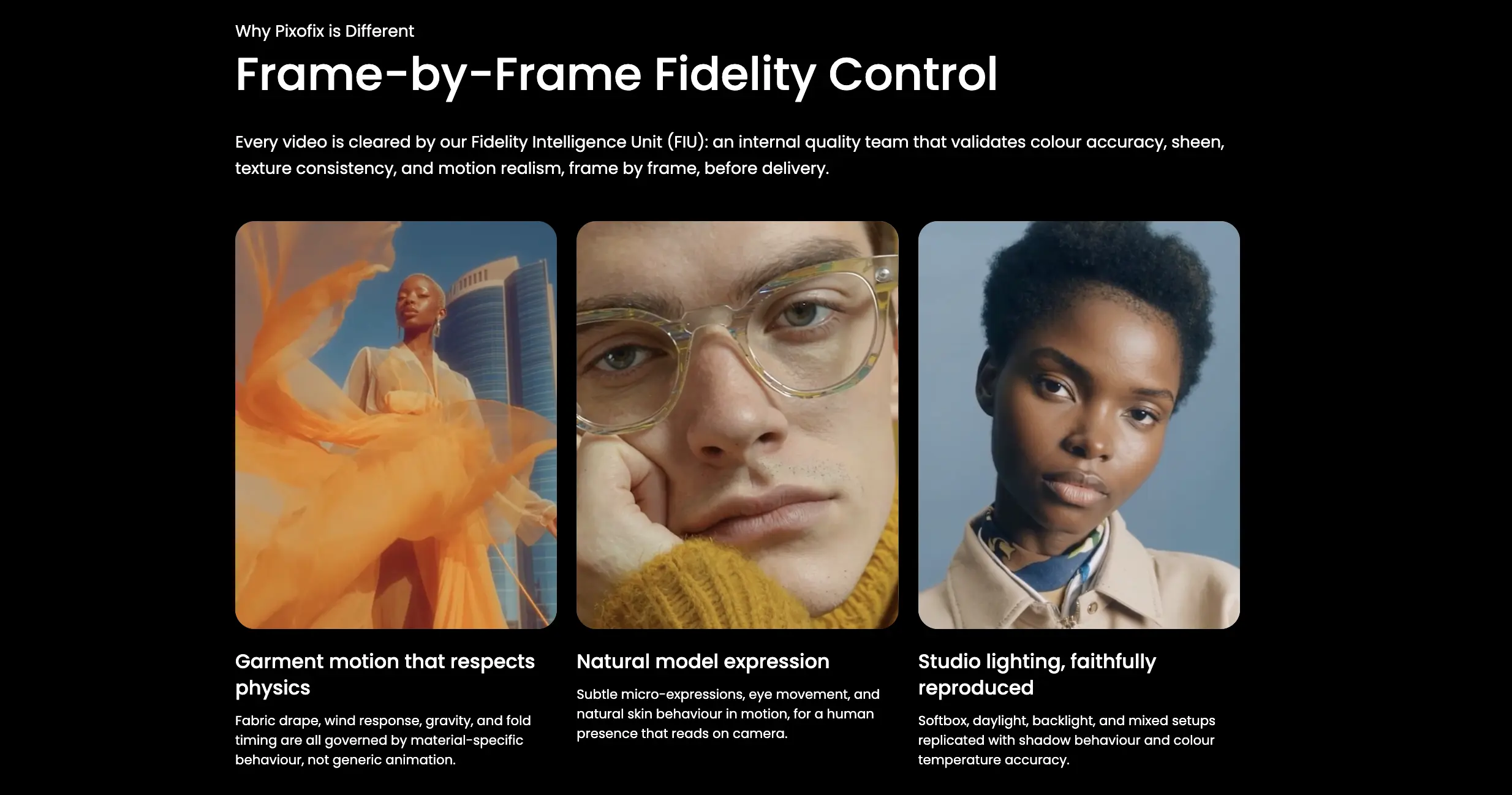
Best for: brands that want AI-generated fashion visuals with human quality control at any volume.
Pixofix pairs AI artists, AI engineers, and garment experts on every project, and every image gets human QC before delivery rather than shipping AI output straight through. Pricing is published per image rather than quoted after a sales call, with turnaround in the 24 to 48 hour range, so you know the cost structure before you commit.
We've been working in fashion for 8 years, and the positioning is specific: we're built for brands that already have their creative direction locked and want AI visual production handled at scale, whatever the volume. That covers AI PDP imagery for product pages that need to convert, AI lifestyle and editorial content for lookbooks and campaigns built without a physical shoot, and AI video production for the product and social clips that a static image can't carry on its own. If your team needs AI model imagery specifically, our AI Models Agency service covers that without the casting budget of a traditional shoot.
2. Pixelz
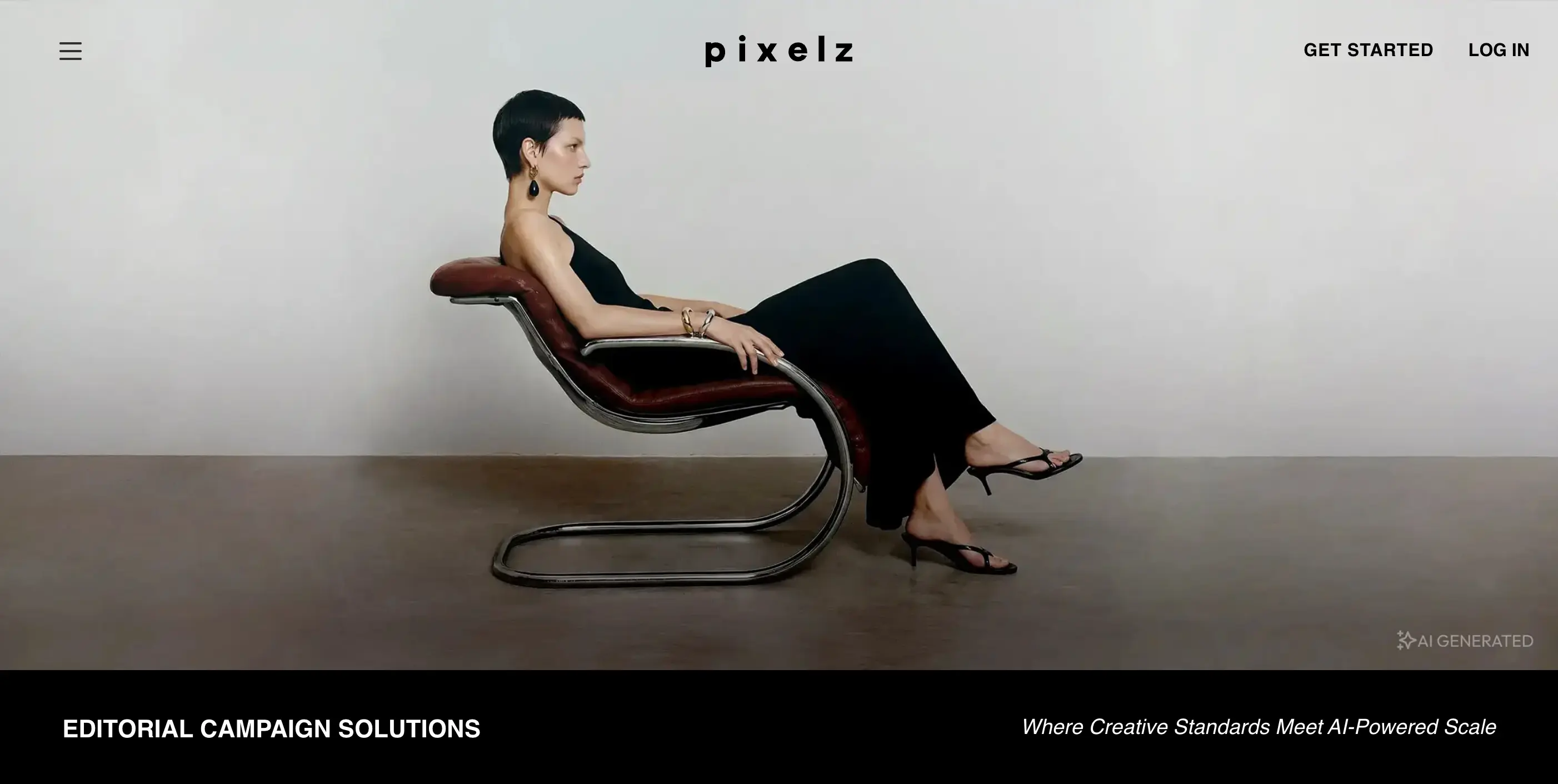
Best for: catalog teams that want managed retouching with clear, published pricing.
Pixelz publishes its rates directly on a per-image and monthly subscription basis, with next-morning turnaround and a guaranteed daily capacity on its Professional plan, moving to a faster, custom-quoted turnaround on Enterprise. It combines human retouchers with automation, closer to a traditional managed retouching service than a generative AI studio, so it's a stronger fit for standard product retouching than for AI-generated model imagery or campaign content.
3. WearView
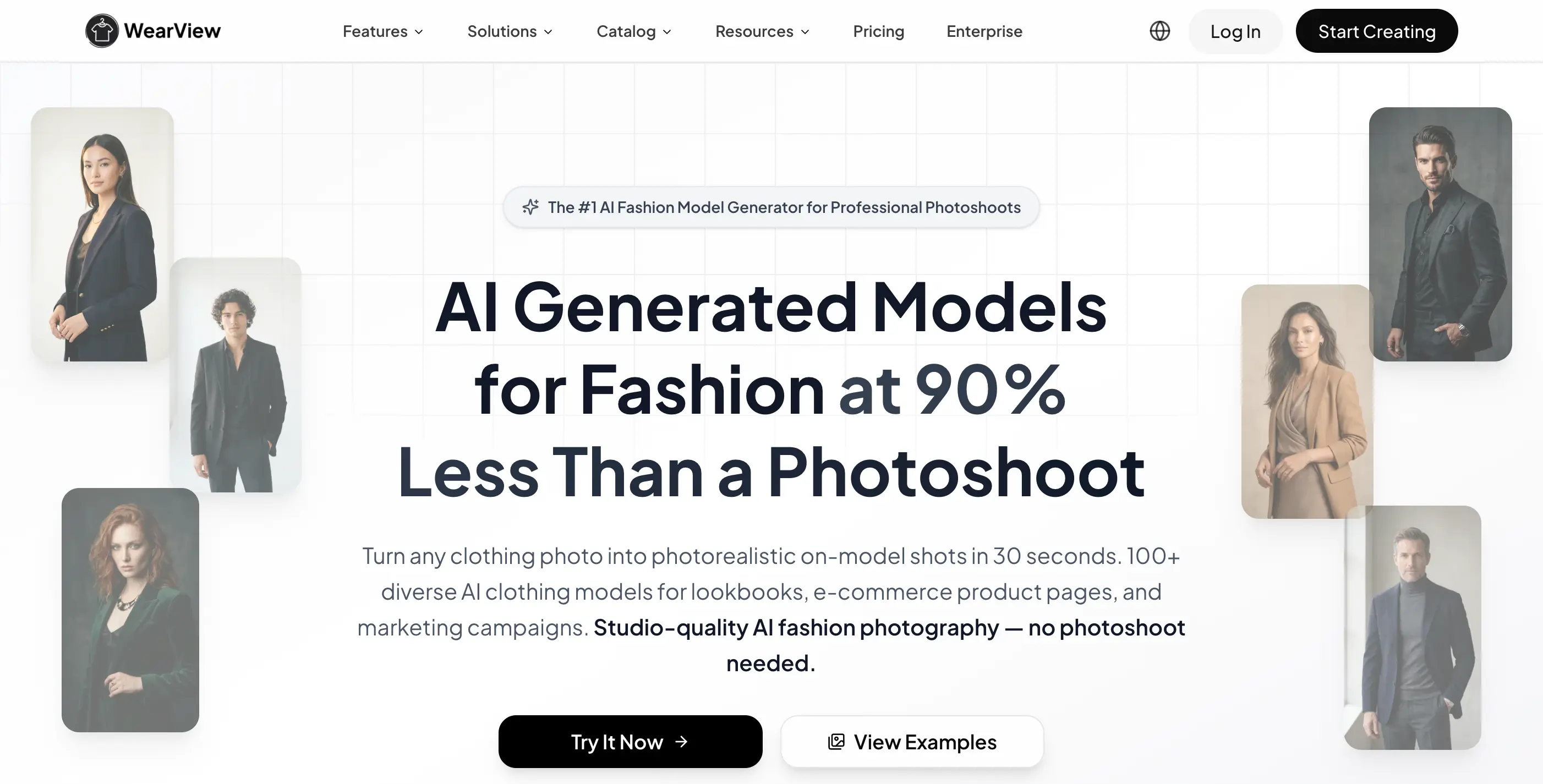
Best for: small teams or solo sellers who want self-serve AI model generation on a tight budget.
WearView runs on a tiered, credit-based subscription, with higher tiers adding AI video generation, ghost mannequin editing, and larger teams. It turns flat-lay photos into on-model shots in seconds, with no managed workflow and no human review layer, so output quality depends entirely on what the AI generates and how much editing your team is willing to do yourselves. Worth noting: credit-based AI pricing is harder to compare directly against per-image retouching pricing, since the number of usable images per credit allowance varies with output quality and generation settings.
4. Neural Fashion
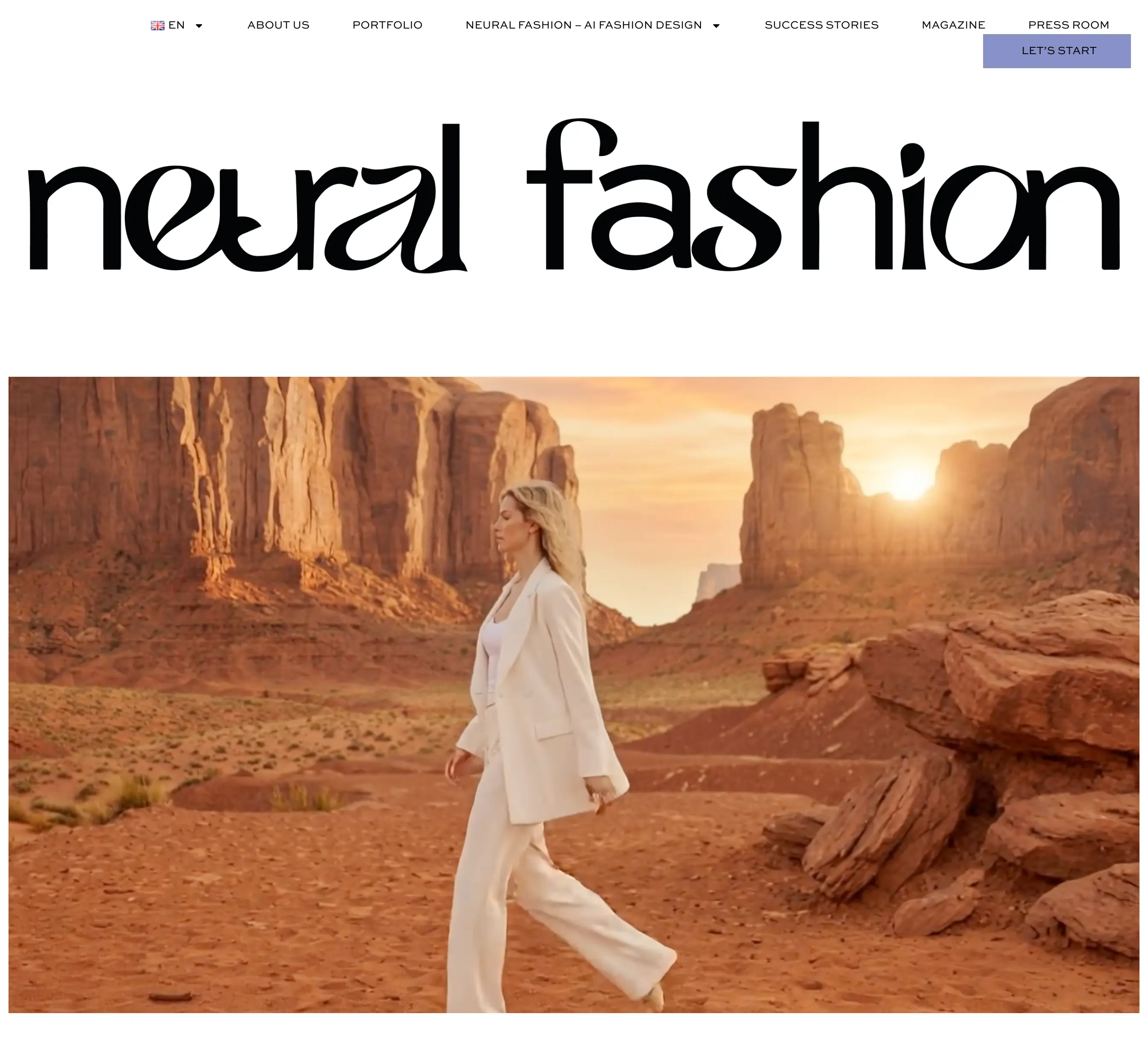
Best for: fashion brands that want a boutique AI-first creative agency rather than a high-volume production line.
Neural Fashion positions itself as the first AI-first creative agency built exclusively for fashion, running on a proprietary in-house platform. Client names on its site include Pronovias and Desigual. Pricing is custom quote only, and the agency model reads as closer in scale to Maison Meta than to a catalog-production partner, better suited to campaign-level creative work than thousands of SKUs a month.
5. Maison Meta
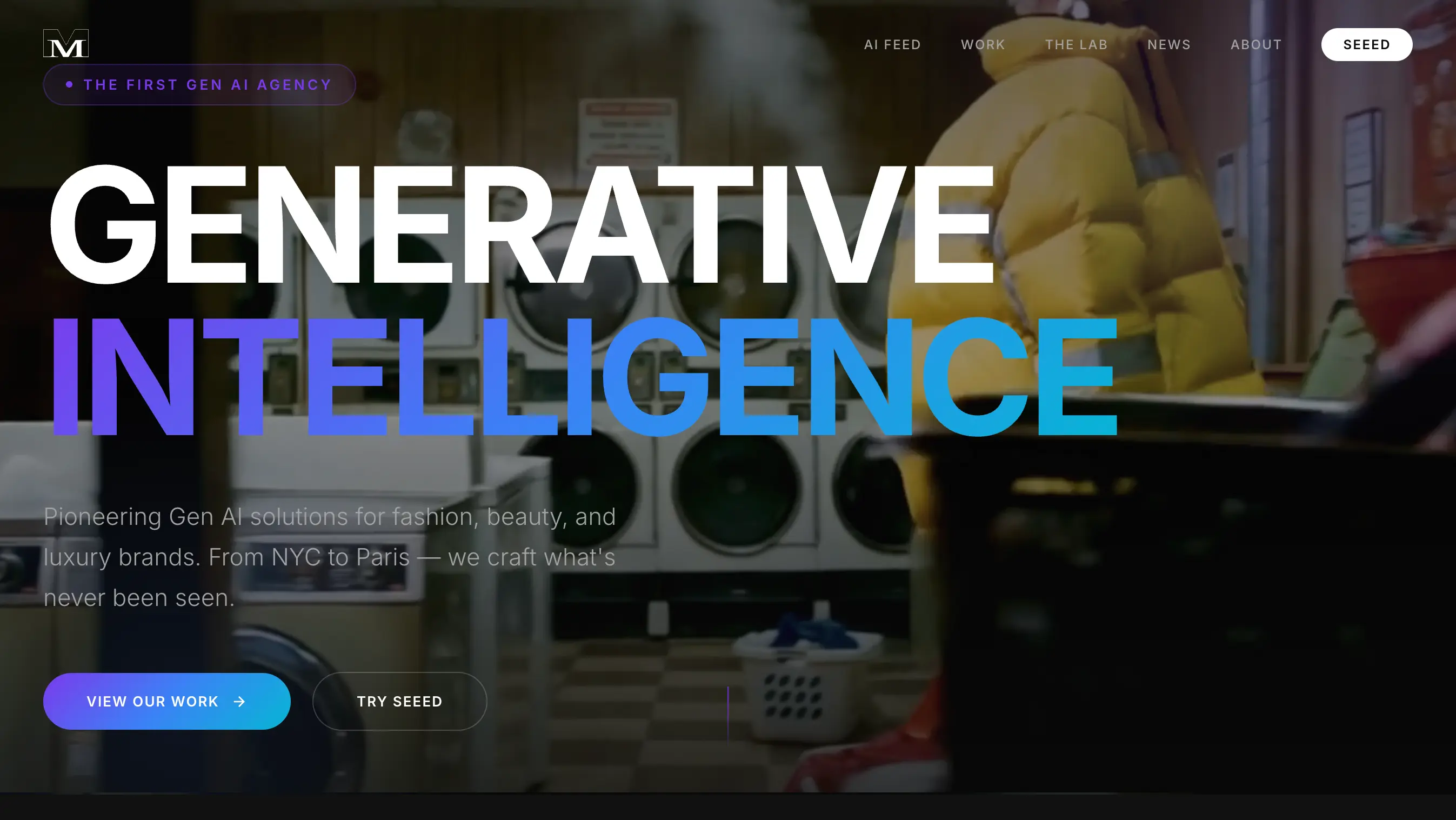
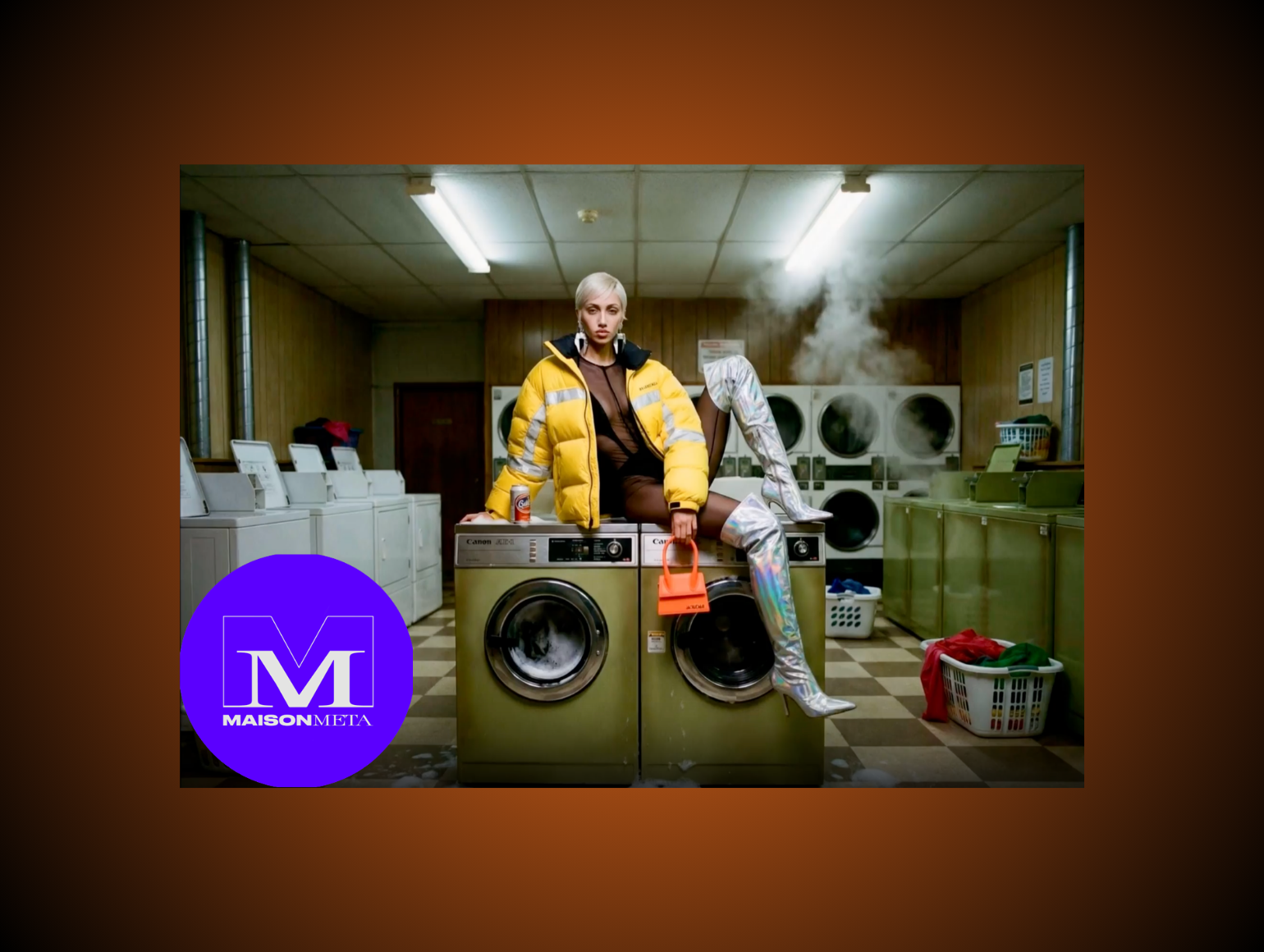
Best for: luxury and campaign-focused brands exploring generative AI for high-concept visual storytelling.
Maison Meta is a New York-based Gen AI studio with teams in Paris and London, known for founding AI Fashion Week and for early campaign work in the space. It runs its own tool, Seeed.ai, alongside studio and consulting services. Like Neural Fashion, pricing is custom quote only, and the model leans toward brand experimentation and editorial-style output rather than high-volume catalog throughput.
Pixel Moda vs. Its Alternatives at a Glance
The table below lines up all five alternatives on the criteria that actually differ between a managed AI+human service, a self-serve tool, and a boutique agency: how pricing works, who's behind the output, how fast it moves, and who each option actually fits.
Which Pixel Moda Alternative Is Right for Your Brand?
The right choice comes down to what's actually slowing you down with Pixel Moda: the lack of published pricing, the absence of a human review step, or the volume ceiling of a boutique agency model.
If unclear pricing is the main frustration, Pixofix and Pixelz are the two options that publish their model instead of routing you to a sales call. Between them, the difference is scope: Pixelz is built for retouching, Pixofix is built for AI-generated visuals with the same human QC layer applied. If your catalog needs both AI production and retouching handled by one partner, that's the more direct fit.
If budget is tight and volume is small, WearView's self-serve model gets you moving fastest, with the tradeoff that there's no one checking the output before it reaches your product page.
If you're working on a single campaign rather than an ongoing catalog, Neural Fashion or Maison Meta suit that scope better than a high-volume production partner would.


.png)
.png)
